Crawl Space
Crawl Space Insulation: Florida Guide (2026)
Crawl space insulation guides are for cold climates. Florida is different. Here is what drives the cost and which type actually works in Florida's high humidity.

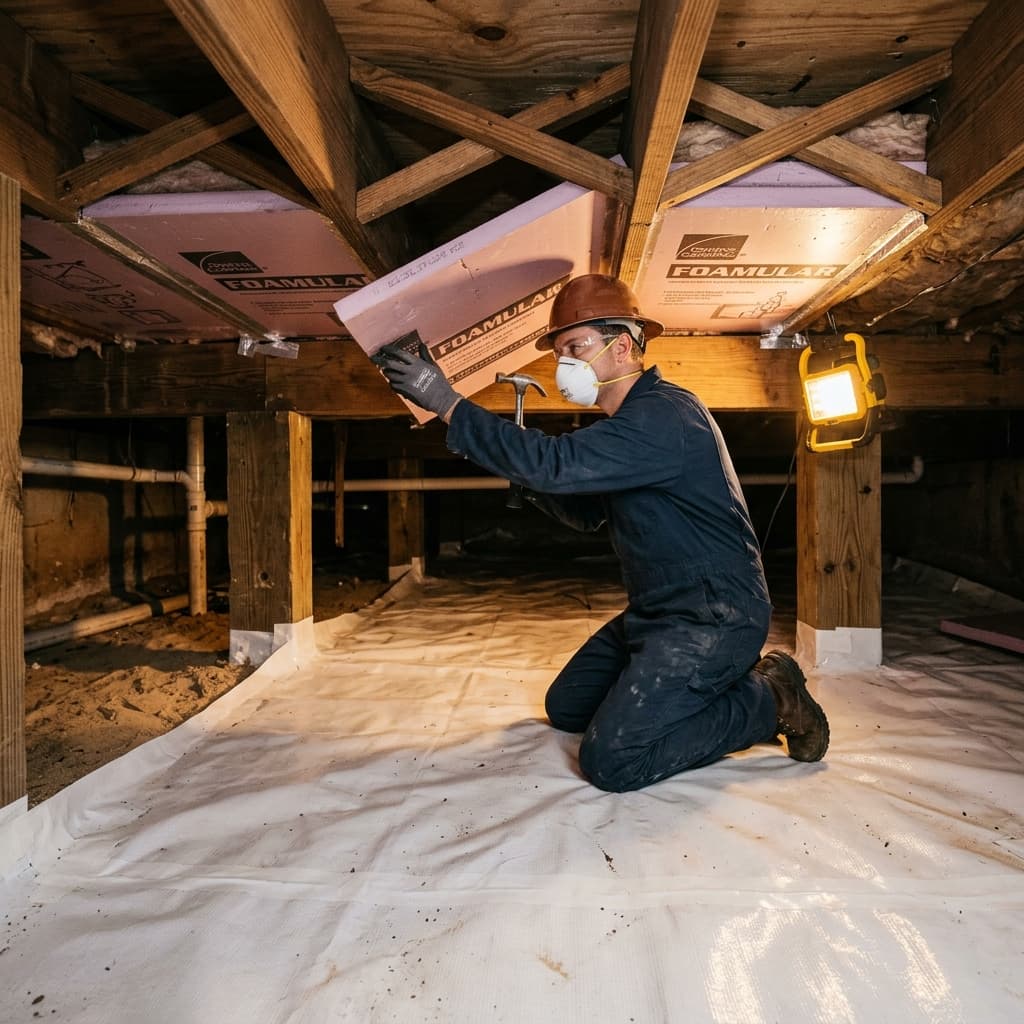
Most guides on crawl space insulation are written for Ohio or Michigan, where the problem is cold floors in winter. Florida is a different situation. The threat here is moisture, not temperature, and the damage shows up faster than a higher heating bill.
This guide covers what crawl space insulation actually does in a Florida climate, what drives the cost, how long it lasts, and when you need it.
What Is Crawl Space Insulation and How Does It Work
Crawl space insulation sits between the floor joists beneath your home, creating a thermal boundary between the environment below and your living space above. In colder climates, that boundary slows heat loss through the floor in winter. In Florida, the goal is different: reducing heat gain from warm ground year-round and, when paired with a vapor barrier, limiting the moisture that migrates upward into the structure.
Florida's rainy season runs from May 15 to October 15 and accounts for 60 to 70% of annual rainfall. During those five months, soil moisture beneath your crawl space is replenished almost daily. Crawl space humidity in an unprotected Florida home typically runs above 70%, which is the threshold where mold growth begins on wood surfaces.
Insulation alone does not stop moisture. That is the vapor barrier's job. But the two work together: the barrier intercepts moisture vapor rising from the soil before it enters the crawl space air, and the insulation keeps your floor from absorbing heat and humidity from below.
If your crawl space already has a moisture problem, insulation goes in last, not first. Installing insulation over wet wood traps moisture against the structure and speeds up rot and mold growth. Fix the water source, install the vapor barrier, then insulate.
How Much Does Crawl Space Insulation Cost in Florida?
There is no honest single figure for this, because the price is set by the crawl space, and nobody quoting online has seen yours. A professional quote covers materials and labor together, and it should come after someone has been under the house.
A few things move the number up or down. Square footage is the biggest: a larger footprint means more material and more hours. Clearance height is the second factor. Crawl spaces under 18 inches cost more per square foot because every task takes longer in tight quarters. An installer on their back in a 14-inch space works slow, and that time shows up in the bill.
Existing condition matters too. If the space has moisture damage, old insulation that needs removal, or mold that needs remediation before new insulation goes in, that work is separate from the insulation cost. Skipping it to save money is a mistake. Insulating over active mold spreads the problem and makes the eventual fix more expensive.
Material choice affects cost as well. Fiberglass batts sit at the low end. Get the quote in writing before any work starts, with the material and the areas covered spelled out. Rigid foam and closed-cell spray foam cost more per square foot and perform better in Florida's conditions.
DIY vs Professional
| Factor | DIY | Professional |
|---|---|---|
| Upfront cost | Lower material cost only | Materials and labor, quoted after an inspection |
| Time | 1–3 days for average home | 1–2 days |
| Moisture assessment | You handle it | Included |
| Mold risk if done wrong | High | Low |
| Vapor barrier coordination | You source separately | Bundled |
| Warranty | None | Varies by contractor |
DIY crawl space insulation is doable if the space is dry, accessible, and you can handle confined, dirty work. What most homeowners underestimate is the moisture assessment that needs to happen before anything else goes in. Skip that step and a DIY insulation job can turn into a mold remediation job 12 months later.
Step-by-Step: What to Expect During Professional Installation
The process runs the same way on most jobs, regardless of insulation type.
The crew starts with an inspection: standing water, moisture damage, pest activity, existing insulation condition, structural concerns. This takes 30 to 60 minutes on a typical home. A credible inspector brings a humidity meter, not just a flashlight.
If there is active mold, rot, or moisture damage, that comes out before insulation goes in. Depending on the scope, it may be a same-day preliminary step or a separate project. Either way, it happens first.
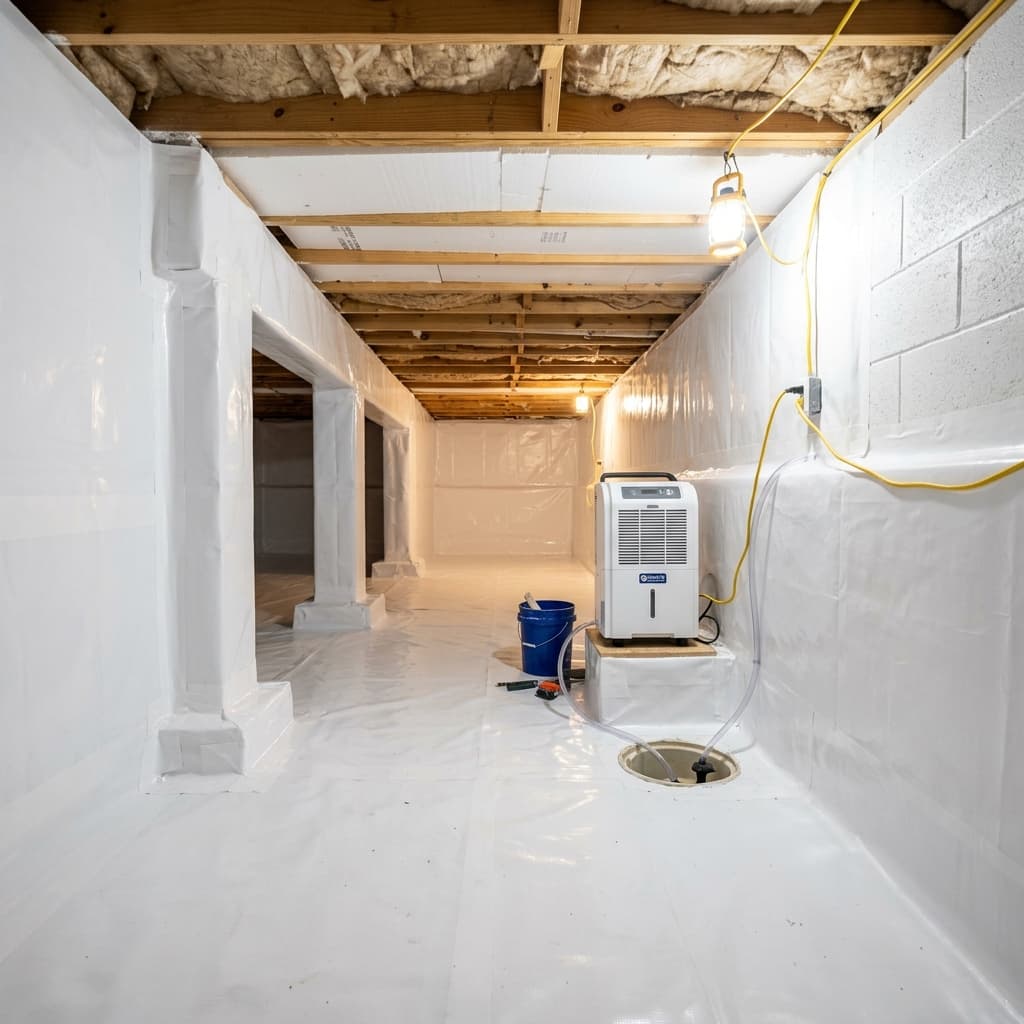
Once the space is clean, a 12-mil polyethylene vapor barrier goes down on the crawl space floor. Seams overlap by 6 to 12 inches, get taped, and the barrier runs up the foundation walls. Our crawl space vapor barrier guide covers this step in detail.
Then the insulation goes in. Fiberglass batts get friction-fitted between joists; rigid foam gets cut and foamed in place; spray foam is applied by gun. Coverage gaps around pipes and at perimeter joist bays are where shortcuts tend to show up later.
Before the crew leaves, a final humidity reading and visual check of every bay. Any gaps found at that point get fixed on the spot. Scheduling a callback two weeks later because something was missed costs everyone time.
Most residential jobs run one to two days. Homes with remediation work ahead of the insulation take longer.
Signs You Need Crawl Space Insulation
Floors that run noticeably warm in summer are a common indicator. Heat conducts up through uninsulated joists, and while it is not an emergency, it is worth addressing before the next cooling season.
Cooling bills that seem high for the home's size are another tell. An uninsulated crawl space puts extra load on the HVAC system, and if the numbers do not match the square footage, the crawl space is a reasonable place to start.
A musty smell near floor level or coming from vents usually means crawl space air is entering the living space through the stack effect. That points to a moisture source and, typically, a vapor barrier gap or absence. Insulation alone will not fix the smell. The moisture source has to go first.
Soft or spongy spots in the floor mean wood with elevated moisture content. That usually shows up along exterior walls, and it means the subfloor has been wet long enough for early rot to begin.
Visible mold on joists or the underside of the floor is a serious finding. By the time mold is visible on wood, it has been there for a while. In Florida, mold can establish within 24 to 48 hours of moisture intrusion, so if you can see it, the clock started long before you noticed. Any mold in the crawl space needs professional mold remediation before insulation work begins.
And if there is no insulation at all, bare joists with no ground barrier, the crawl space is transferring heat and humidity into the home structure every day of the year.
Types of Crawl Space Insulation Compared
| Type | R-Value per inch | Relative installed cost | Moisture resistance | Florida suitability |
|---|---|---|---|---|
| Fiberglass batts | R-3.0–3.7 | Lowest of the three | Low (absorbs moisture) | Conditional |
| Rigid foam board | R-3.8–6.5 | Higher than batts | High (does not absorb) | Good |
| Closed-cell spray foam | R-6.0–7.0 | Highest of the three | Very high (acts as barrier) | Best |
Fiberglass batts are the most widely installed option because they cost the least. In a dry crawl space with a proper vapor barrier, they do the job. The problem in Florida is that fiberglass absorbs moisture readily. Any gap in the vapor barrier, any humidity entering through unsealed vents, and the batts soak it up and become a mold substrate. They also sag out of joist bays over time, leaving sections of the floor with no coverage.
Rigid foam board does not absorb moisture. Panels get cut to fit each joist bay, glued in place, and gaps get foamed. The R-value holds over time, there is no sagging, and it handles Florida humidity without degrading. It costs more than batts, but for a Florida crawl space it is the more reliable long-term choice.
Closed-cell spray foam is the strongest option. It seals every gap, bonds directly to the wood, acts as both insulation and moisture barrier, and gives mold nothing to grow on. It is the most expensive of the three per square foot, so it adds up fast on a large home. For a crawl space with a serious moisture history or known pest entry points through the floor, it is the right call.
Florida-Specific Considerations
Building Codes
Florida building code requires a ground cover vapor barrier in all crawl spaces. The code minimum is 6-mil polyethylene. Most contractors doing this work correctly install 12-mil. Homes built before updated code requirements, or homes where previous work was done on the cheap, may have an undersized barrier or nothing at all.
Encapsulation vs Insulation Alone
Insulation and vapor barriers are different things but they belong in the same planning conversation. A full crawl space encapsulation adds wall coverage, sealed vents, and a dehumidifier on top of the ground barrier. Insulation typically goes in as part of that complete system. If you are dealing with moisture pressure that a floor barrier alone is not managing, encapsulation addresses the full picture. The foundation waterproofing page covers what happens when water intrusion is coming through the foundation rather than from the soil.
Water Damage and Mold
When water intrudes through the foundation or floods the crawl space after a storm, mold can begin establishing within 24 to 48 hours. Florida's heat speeds that timeline up. If your crawl space has had any standing water, the mold question is not theoretical. Insulation installed over a mold-affected crawl space locks the problem in. See our water damage mitigation page if you are dealing with an active or recent water event.
Frequently Asked Questions
How much does crawl space insulation cost in Florida?
It depends on the crawl space. Square footage, crawl space height, existing moisture conditions, and insulation type all affect the final number. If mold remediation or vapor barrier work is needed first, those are separate costs. A fair quote comes after an inspection of the space, in writing, before work starts.
Is crawl space insulation worth it in Florida?
For most Florida homes, yes. An uninsulated crawl space increases your cooling load, allows heat and humidity to conduct through the floor and exposes the subfloor structure to sustained moisture. The efficiency savings vary by home, but the structural protection is the more important factor in Florida's climate.
What is the best type of crawl space insulation for Florida?
Closed-cell spray foam performs best: it resists moisture, seals every gap and does not sag or degrade over time. Rigid foam board is a reliable alternative at lower cost. Fiberglass batts carry more risk in Florida because they absorb moisture when vapor control is not perfect.
How long does crawl space insulation last?
Closed-cell spray foam and rigid foam board last 20 years or more when properly installed. Fiberglass batts in a Florida crawl space may need replacement within 10 to 15 years if moisture has caused sagging or mold contamination. The lifespan of any insulation depends on whether the vapor barrier beneath it stays intact.
Do I need crawl space insulation in Florida?
Florida code requires it in new construction. For existing homes, most crawl spaces benefit from insulation, particularly for heat transfer control and working alongside a vapor barrier to manage floor moisture. Homes built before 1990 have a reasonable chance of having either no insulation or degraded fiberglass batts that no longer perform.
What happens if you don't insulate your crawl space?
Heat and humidity conduct directly through the floor structure into the living space. The HVAC system runs harder to compensate. Wood subfloor and joists absorb moisture, which leads to rot and structural degradation over years. In Florida, a crawl space with no vapor barrier or insulation will eventually support mold growth on the wooden structure, often without visible signs inside the home until the damage is well advanced.
Get a Free Crawl Space Inspection
Not sure what you are dealing with down there? A visual inspection takes less than an hour. We check humidity levels, look at the existing insulation and vapor barrier, and give you a straight read on what is there.
We cover Orlando, Tampa Bay and Sarasota. Call 888-603-6653 to schedule.
If there is a moisture problem, mold, or insulation that needs replacing, we will tell you what is there and what it would take to fix it. Request a free estimate online or call us directly.
Bullfrog Foundation Waterproofing and Mold Remediation. License MRSR5565.

Protect your Florida home
We find the source of water intrusion and handle waterproofing and mold remediation. Start with a free on-site estimate.
Free on-site estimates are for homeowners and property owners. Renting or buying? See your options.
More from Bullfrog Waterproofing
Crawl Space
Crawl Space Vapor Barrier: Florida Guide (2026)
Up to 40% of your indoor air comes from your crawl space. In Florida, that means moisture, mold risk, and termite pressure without a proper vapor barrier.
· 15 min read
Read article
Mold Remediation
How to Prevent Mold After a Flood in Florida
Mold can start within 24 to 48 hours of a Florida flood. What you do in the first two days decides whether you get mold at all. Here is the playbook.
· 8 min read
Read article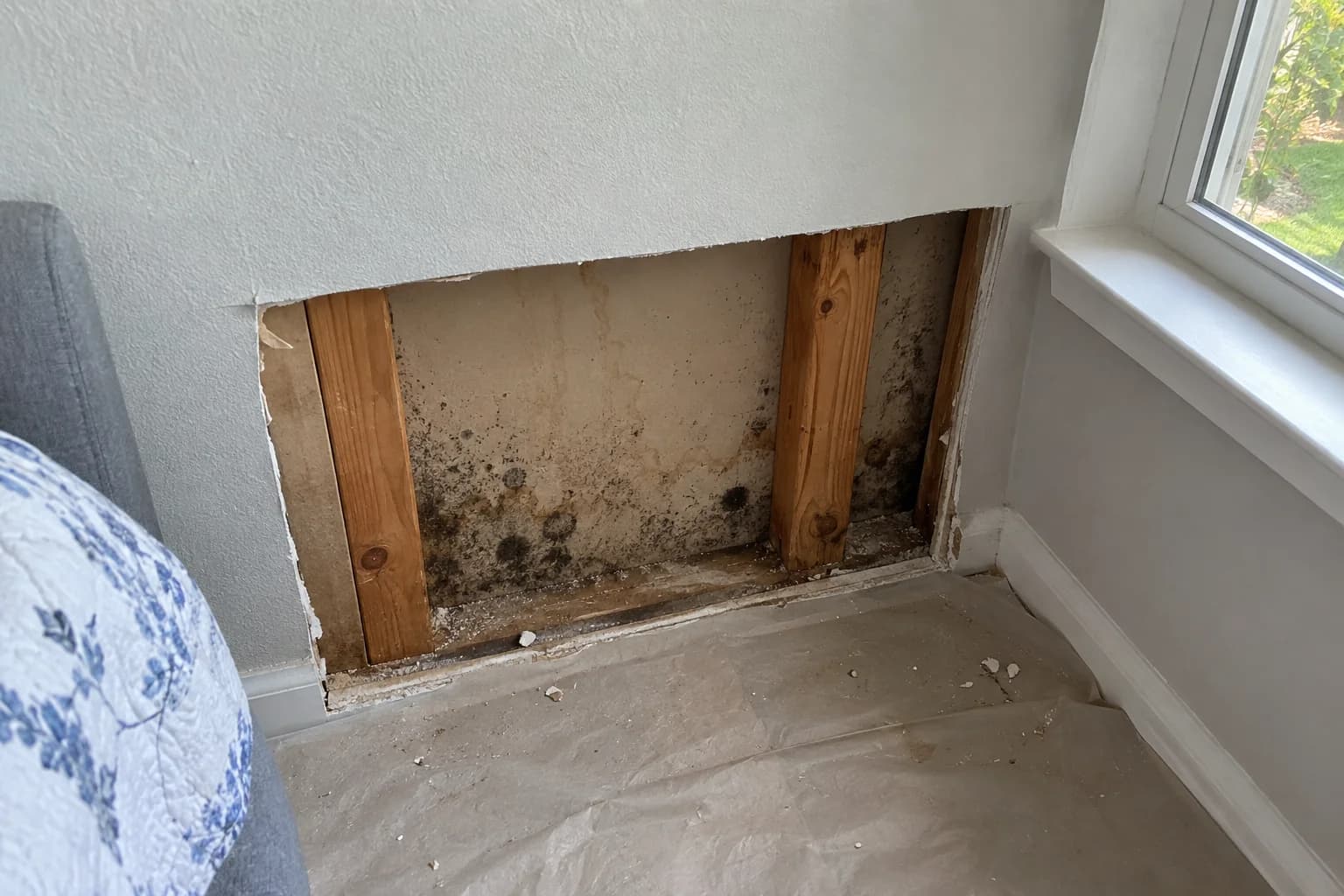
Mold Remediation
Is Black Mold Dangerous? What Florida Homeowners Should Know
Black mold gets talked about like a death sentence. The real risk is more grounded, and in Florida humidity it is common. Here is what the science says.
· 8 min read
Read article