Mold Remediation
Mold After a Hurricane in Tampa Bay: What to Check First
Mold can start within 48 hours of a Tampa flood. What to check after a hurricane, the signs to watch for, and when to call a licensed remediator.

Mold After a Hurricane in Tampa Bay: What to Check Before It Spreads
After a storm, the water you can see is the easy part. You pump it out, you haul the soaked furniture to the curb, and the house looks like it is drying. The problem is what soaked into the walls while you were dealing with everything else. In Tampa Bay humidity, mold can start growing in 24 to 48 hours, and by the time you smell it, it has usually been working behind the drywall for a week or more.
How fast does mold grow after a flood?
Fast. Mold spores are already in the air everywhere, and all they need is moisture and a surface to feed on. In our climate, growth typically begins within 24 to 48 hours of the structure getting wet. That is why the homes hit hardest after Hurricane Helene in September 2024, especially in South Tampa near West Shore Boulevard and in flood-prone pockets like Shore Acres across the bay, were gutted to the studs within days. The residents who waited a few weeks to "see how it dried" usually found mold waiting for them. If another system is heading in, our Tampa Bay storm watch has the current alerts and radar.
Why surface drying is not enough
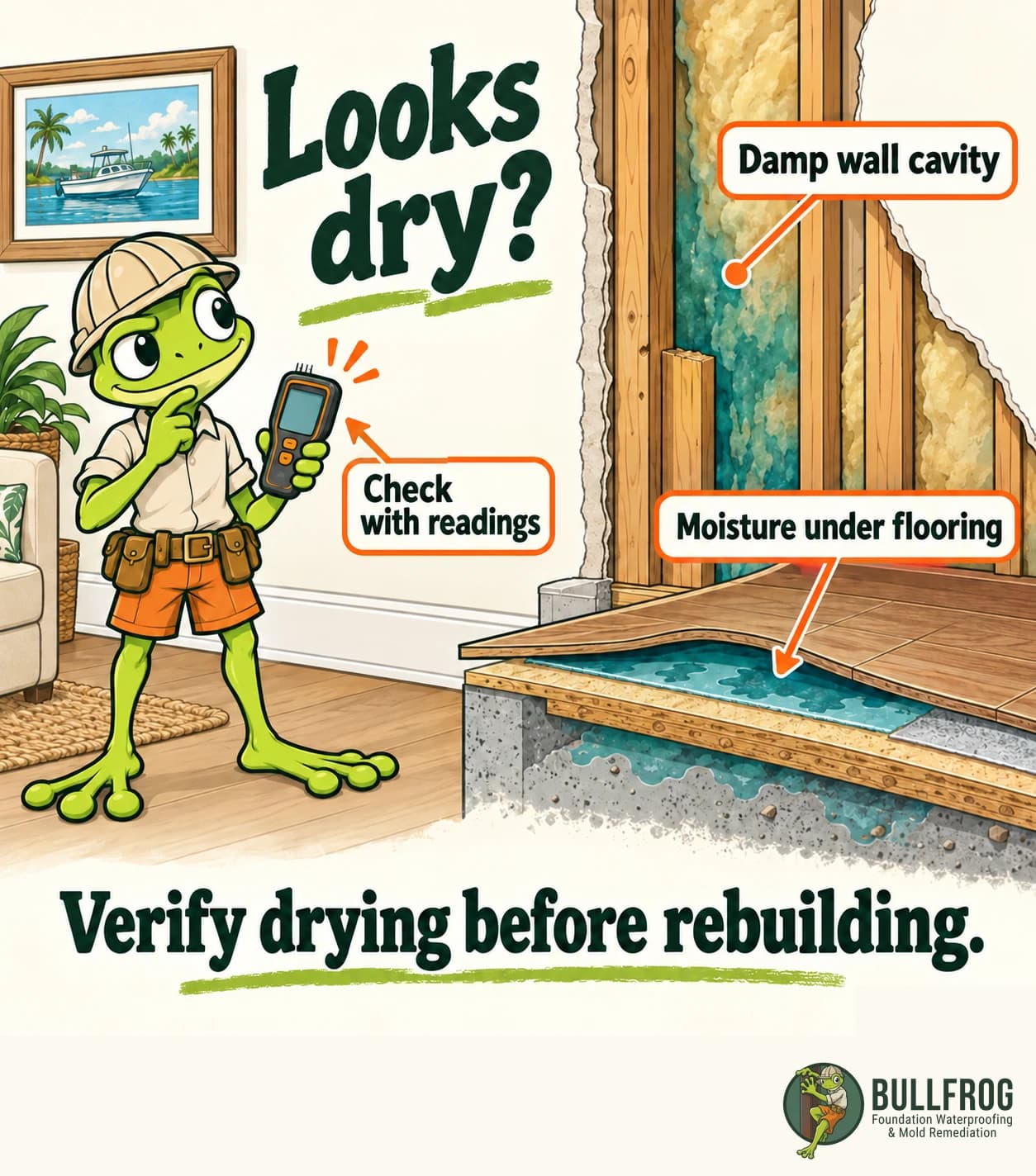
This is the mistake that costs Tampa homeowners the most. After Helene and Milton in 2024, a lot of houses were dried on the surface with fans, declared fine, and closed back up. Water does not stay on the surface. It wicks up into drywall, soaks into baseboards, and pools under tile and laminate where a box fan never reaches. Tampa homes are concrete block on a slab, so there is no basement, but there is plenty of wall cavity and subfloor for trapped moisture to sit and feed mold for months. Local remediators were still finding hidden mold from the 2024 storms well into the following year.
What to check after the water is gone
Walk the house with a flashlight and look for:
- Baseboards that are swollen, soft, or pulling away from the wall
- Drywall that feels cool or damp low on the wall, even days later
- A musty smell that gets stronger when the AC runs
- Dark spotting around vents, in closets, or behind furniture on exterior walls
- Buckled or lifting flooring, which usually means water underneath
- Condensation on windows and a house that just feels humid
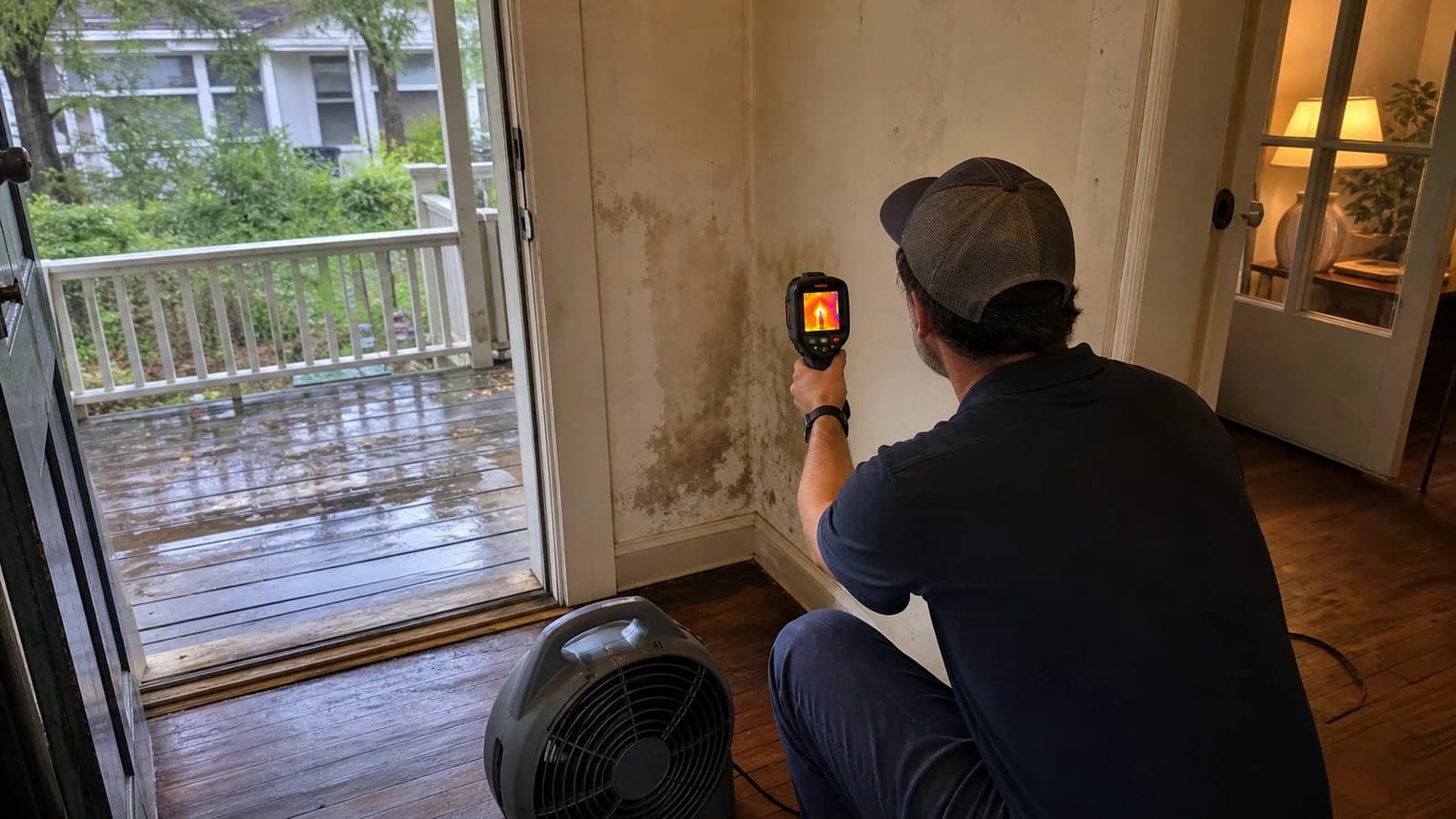
If the water reached more than an inch or two, or sat for more than a day, do not trust a visual check alone. A free mold inspection in Tampa with moisture meters will tell you what is actually happening inside the walls.
How to get rid of mold after a hurricane
You will see advice to wipe everything with a bleach and water mix, and for a small spot on a hard, non-porous surface like tile, that is fine. For drywall, insulation, and anything soaked by flood water, bleach does not work. Flood water carries bacteria and contaminants, and porous materials that sat wet need to come out, not get sprayed. Real cleanup after a storm looks like this:
- Stop and document. Photograph everything before you tear anything out, for your insurance claim.
- Remove wet porous materials. Drywall, insulation, carpet, and padding that took on flood water get cut out and bagged.
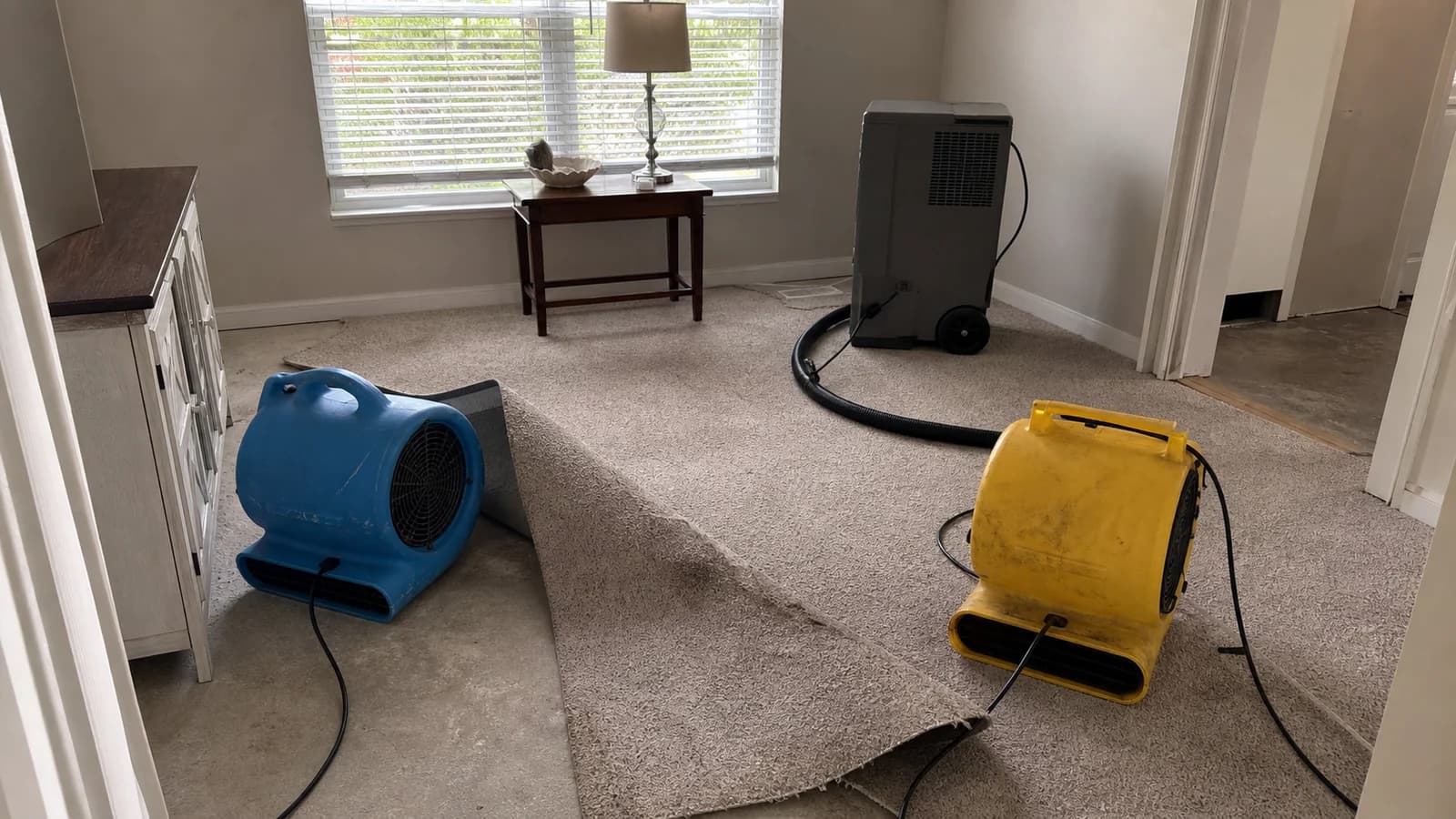
- Dry the structure properly. Commercial dehumidifiers and air movers, not just household fans, until moisture readings are normal.
- Treat and clear. Antimicrobial treatment on the framing, then confirm it is dry before rebuilding.
If your home took on real water, you may need water damage restoration in Tampa first, then mold remediation in Tampa once the structure is dry. Doing them in that order, ideally with one contractor, is what keeps the mold from coming back.
Will insurance or FEMA pay for it?
It depends on the cause. If the mold resulted from a sudden covered event, some homeowners policies help, but most Florida policies cap or exclude flood-related mold, and flooding itself needs separate flood coverage. FEMA assistance can sometimes go toward storm repairs that include mold when a disaster is federally declared, but it is not a guarantee and the amounts are limited. The practical move is to document the damage thoroughly and early, before you remove anything, so you have a case either way.
FAQ
How long after a hurricane can mold start growing? Usually 24 to 48 hours after materials get wet. In Tampa Bay humidity it can be on the faster end, which is why fast drying and early inspection matter so much.
What are the first signs of mold after flooding? A musty smell, especially when the AC runs, swollen baseboards, soft or discolored drywall low on the wall, and allergy-type symptoms that ease when you leave the house.
Will FEMA pay for mold removal? Sometimes, when there is a federal disaster declaration and the mold is tied to covered storm damage to your home. It is limited and not automatic. Document everything and ask during your application.
Is mold remediation covered by insurance in Florida? Often only partly. Mold from a sudden covered event may be included, while mold from flooding usually falls under separate flood coverage or is excluded. Photograph the damage before any tear-out to support your claim.
Can I stay in my house with mold after a storm? For small, contained areas, often yes. If multiple rooms flooded or the AC system was involved, it is safer to stay elsewhere until the structure is dried and cleared.

Book a Free Inspection
Flooded during a Tampa storm and worried about what is growing in the walls? Get a free inspection from a licensed local team that handles water damage and mold under one roof.
Available 24/7 · No obligation · Florida mold license MRSR5565
Free on-site estimates are for homeowners and property owners. Renting or buying? See your options.
More from Bullfrog Waterproofing
Mold Remediation
How to Prevent Mold After a Flood in Florida
Mold can start within 24 to 48 hours of a Florida flood. What you do in the first two days decides whether you get mold at all. Here is the playbook.
· 8 min read
Read article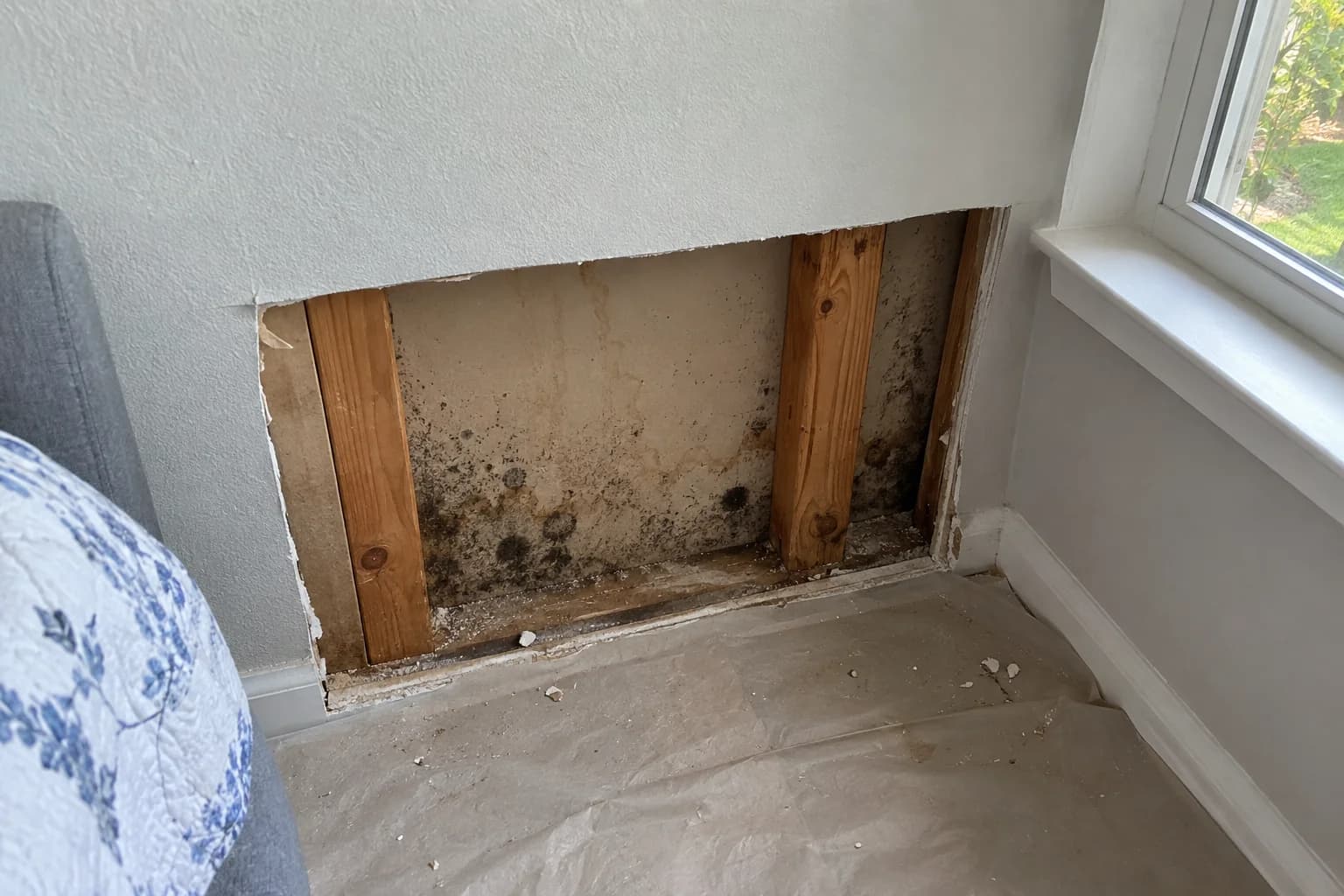
Mold Remediation
Is Black Mold Dangerous? What Florida Homeowners Should Know
Black mold gets talked about like a death sentence. The real risk is more grounded, and in Florida humidity it is common. Here is what the science says.
· 8 min read
Read article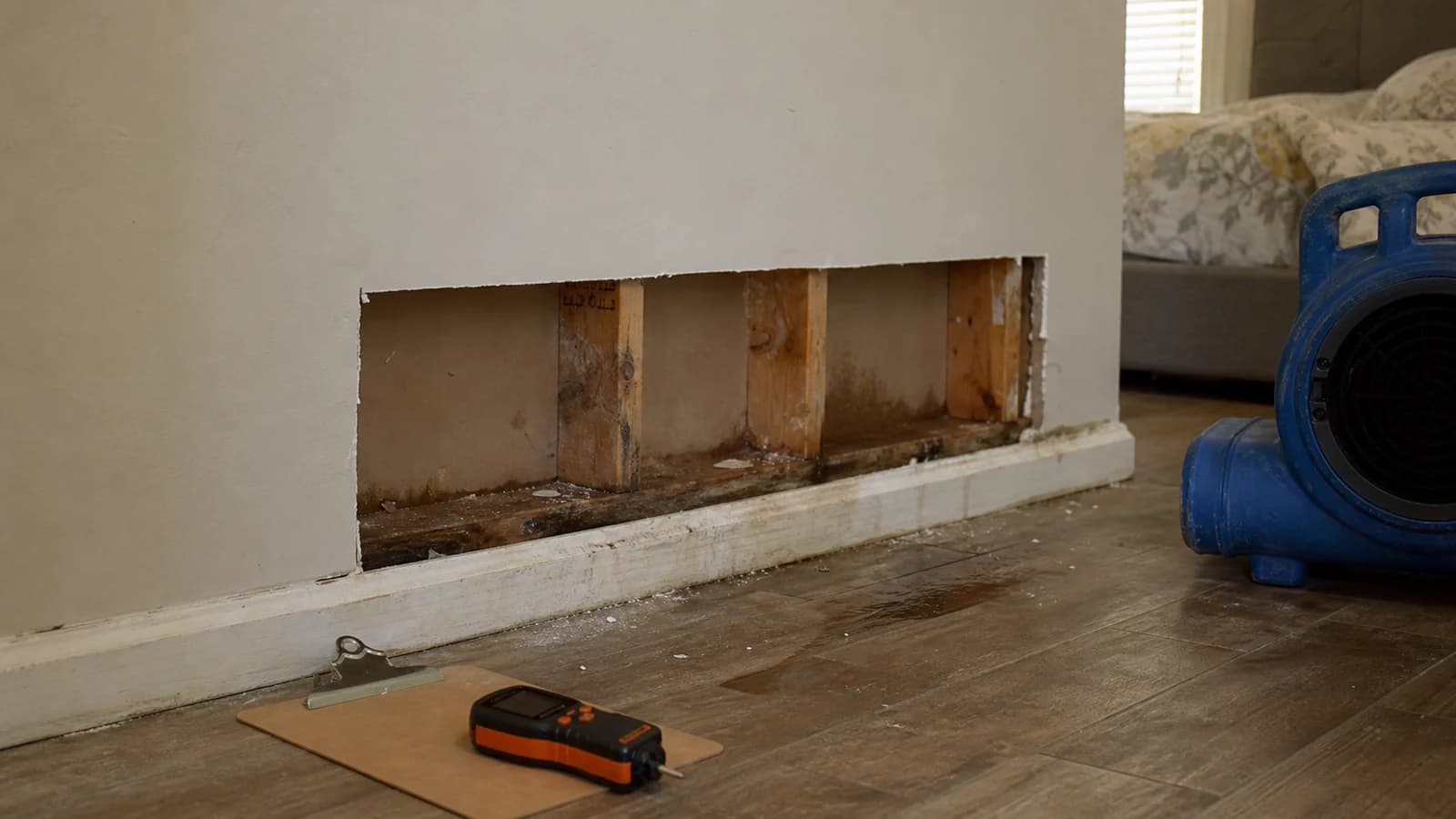
Mold Remediation
Does Homeowners Insurance Cover Mold in Florida?
Whether your Florida policy pays for mold comes down to what caused it. Here is how coverage works, what gets denied and how to protect your claim.
· 9 min read
Read article