Vapor Barriers
Crawl Space Encapsulation in Florida: Cost, What It Includes and Whether You Need It
Crawl space encapsulation seals homes from moisture, mold and pests. What drives the cost and what makes a Florida install different from a standard job.
Florida's crawl space problem is different from everywhere else in the country.
Most guides on this topic are written for somewhere like Ohio or Tennessee, places that get a wet spring, a dry summer and a cold winter that slows mold growth for months at a stretch. Florida doesn't work like that. The wet season runs from June through September and delivers 60 to 70 percent of the year's rainfall in a tight window. The months outside that window bring lower rainfall but humidity that stays between 60 and 80 percent year-round. There is no cold season to give the ground a break.
Under those conditions, the standard approach that works in most states falls apart. A 6-mil plastic sheet from the hardware store, a few passive vents and an assumption that things will dry out on their own does not last in Florida. This guide covers what crawl space encapsulation actually involves, what drives the cost of a complete job in Florida, and how to tell whether your crawl space needs it.
What crawl space encapsulation is
Encapsulation seals the crawl space from ground moisture. Bare soil releases water vapor constantly, and in Florida, the water table stays elevated for weeks after heavy rain. Without a barrier, that vapor rises into the floor joists, insulation and subfloor plywood. Wood absorbs it. Mold follows within 24 to 48 hours in Florida's heat.
A proper encapsulation job has several components, and most of them get left out of the cheaper quotes.
The liner
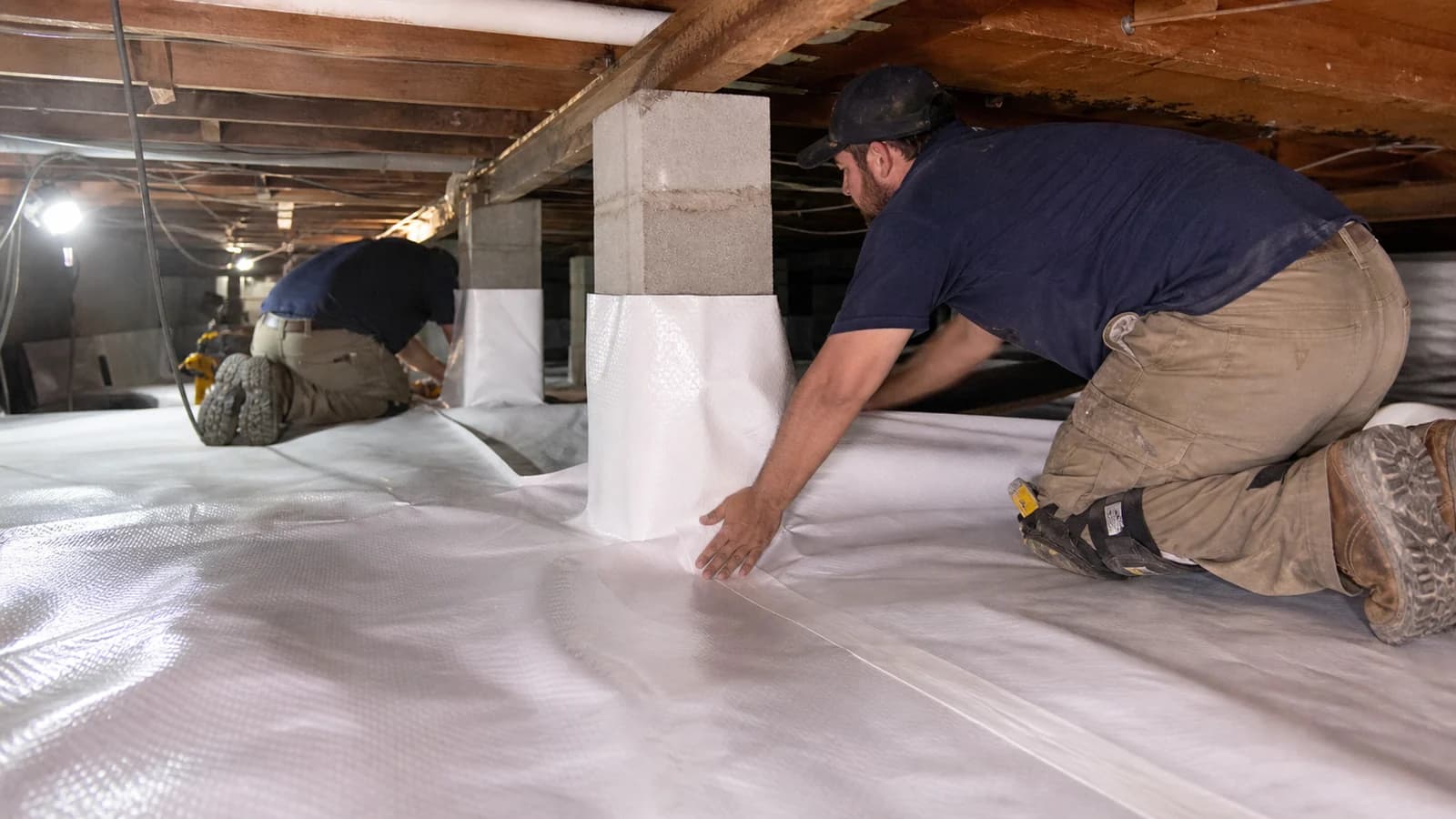
The liner is the vapor barrier that covers the ground and, in a full encapsulation, runs up the foundation walls and seals at the sill plate. Thickness determines how long it lasts and how well it performs.
A 6-mil liner is what you find at big-box hardware stores and what low-price contractors install. It tears when crawled on, fails to seal seams properly and degrades within a few years in Florida's environment. A proper Florida installation uses 12-mil at minimum. Most professionals working in this state use 20-mil reinforced liner, which includes a fabric scrim layer that resists punctures and holds up through inspections and maintenance visits for 20 or more years.
Seam sealing
The liner is only as effective as its seams. Where sections overlap, they need to be sealed with tape rated for the application. Unsealed seams let moisture wick through gaps and cancel out the point of the barrier. This step gets skipped when contractors are cutting corners on price.
Wall coverage
Ground-only barriers are the half-measure. A complete encapsulation covers the perimeter walls from the ground up to the sill plate, not just the floor. This matters in Florida because moisture enters crawl spaces through block foundation walls, not only through soil evaporation. Florida's older concrete block construction is especially prone to this kind of wall seepage.
Vent sealing
This is the step most homeowners don't expect. Traditional building codes called for passive vents to circulate air through the crawl space. In most of the country, this does a reasonable job. In Florida, it works against you. Humid outside air flowing into the crawl space doesn't dry anything. It adds more moisture. Sealed crawl spaces consistently outperform vented ones in humid climates, which is why Florida's building code now supports sealed crawl space design. The vents get blocked or sealed during encapsulation.
Dehumidification
Sealing the space without controlling the remaining humidity creates a contained environment where any moisture that gets in has nowhere to go. A properly sized crawl space dehumidifier, typically set to hold 50 to 55 percent relative humidity, keeps conditions stable. Without it, even a well-sealed crawl space can accumulate moisture over time from minor intrusions.
What crawl space encapsulation costs in Florida (2026)
What you pay depends on the square footage, access conditions, what's already down there and whether drainage work is needed before the liner goes in.
| Scope of work | What it adds to the job |
|---|---|
| Basic vapor barrier (ground only, no wall coverage) | Liner and seam sealing on the floor only |
| Full encapsulation (ground, walls, vent sealing) | Wall coverage to the sill plate and sealed vents |
| Full encapsulation with dehumidifier | A dehumidifier sized to the space and its moisture load |
| Full encapsulation with drainage channel and sump pump | Drainage work before the liner goes in, usually the largest scope |
Each step down that table is a larger scope than the one above it. Two crawl spaces of the same size can still price apart, because liner grade, clearance and what is already down there all change the hours. Get the quote in writing after someone has been under the house, and before any work starts.
The biggest cost driver after square footage is access. If the crawl space entry is tight, if sections have under 18 inches of clearance or if the existing space is wet and needs to be dried out before work begins, labor time increases substantially. Older homes in MetroWest, Windermere, Gulf Gate and similar neighborhoods from the 1970s and 1980s often have low-clearance sections that slow installation.
If there is standing water or active mold, both need to be resolved before the liner goes down. Sealing mold into a space does not stop it from growing. The water source gets fixed first, mold gets remediated if it's present and then the encapsulation happens. Trying to skip those steps costs more in the long run because the problem comes back.
Why Florida crawl spaces are harder to protect
The water table
In much of Central and Southwest Florida, the water table sits two to five feet below grade during and after the rainy season. Low-lying neighborhoods in the Orlando metro, communities along the Sarasota coast, parts of Hillsborough County and much of the Tampa Bay area sit above ground that stays saturated for weeks after heavy rain events. That moisture finds its way into crawl spaces through soil evaporation, block wall seepage and any gap in the foundation perimeter.
Rainy season volume
Orange County averages around 54 inches of rain annually. Sarasota County averages 55 inches. Sixty percent or more of that falls between June and September. That compressed volume saturates the soil quickly and keeps ground moisture elevated long after the storms stop.
Storm aftermath
Hurricane Ian brought 10 to 15 inches of rain to Sarasota County in September 2022. Hurricane Milton crossed the I-4 corridor in October 2024 and flooded crawl spaces across Orange County. Homes in both storm zones that didn't have proper encapsulation before those events often found mold in the crawl space weeks or months later, after moisture had been sitting there long enough to establish growth. If your home was in either area during either storm and hasn't had a crawl space inspection since, that check is overdue. Book a mold inspection in Sarasota or a mold inspection in Orlando to get a clear picture of what's under the house.
The building stock
Most Florida crawl space homes were built between 1950 and 1990. Concrete block construction was standard, and those homes were designed around passive venting rather than sealed encapsulation. The crawl spaces in those homes are frequently too low for easy access, have original 4-mil or 6-mil plastic that has degraded, and have block walls that have been seeping moisture for decades.
6-mil, 12-mil, 20-mil: what the liner grades mean in practice
The 6-mil grade is the minimum found at hardware stores and used in budget installations. It tears when crawled on, doesn't resist punctures from rocks or soil debris and degrades with UV exposure near partially sealed vents. It is not appropriate for a Florida installation meant to last more than a few years.
At 12-mil, you get a meaningful step up in durability. This grade is appropriate for lower-moisture crawl spaces with good access. For a Florida job, 12-mil is the minimum worth considering.
The 20-mil reinforced liner is what a proper Florida encapsulation uses. The fabric scrim inside the liner handles foot traffic during inspections and resists tears. It is rated for 25 or more years under appropriate conditions. The material cost difference over 12-mil is real but not significant relative to the overall job cost, and the labor cost is identical. There is no practical reason to use anything lighter in Florida's environment.
How to tell if your crawl space needs encapsulation
Most homeowners don't go under their house regularly. The signs usually show up in the living space first.
A persistent musty smell that doesn't improve with cleaning is almost always coming from below. Air pressure differences pull crawl space air upward through pipe penetrations, wiring gaps and HVAC registers, and that air carries whatever moisture and spores are down there.
Floors that flex underfoot or feel soft in spots are a late-stage sign. When floor joists absorb moisture long enough, wood fibers start to break down. By the time the floor feels bouncy, the crawl space problem has usually been going on for a while.
An air handler that runs constantly without getting ahead of the humidity is another indicator. A wet crawl space adds moisture load to the HVAC system, and the system runs longer cycles trying to compensate.
Allergy or respiratory symptoms that improve when household members leave the house and worsen when they return point toward an indoor air quality problem. Crawl space mold spores travel through the duct system and into living areas.
If you or a pest inspector has looked under the house and found any mold on the framing, that mold has to come out before encapsulation happens. You can't seal over active growth.
DIY versus professional installation in Florida
You can buy a roll of 6-mil plastic, cut it to size and staple it to the walls. For a dry, accessible, small crawl space, this provides some protection as a short-term measure.
What it won't do: seal seams watertight, close vents properly, integrate with drainage or dehumidification, or satisfy a home inspector or prospective buyer who understands what Florida encapsulation standards actually are. DIY installs using hardware store liner in this state tend to need replacement within four or five years, which means paying for labor twice.
A properly installed 20-mil encapsulation with sealed seams, closed vents and a dehumidifier typically lasts 20 to 25 years with minimal maintenance. The cost per year shakes out better than the cheap approach.
For any crawl space with a history of flooding, standing water, mold or structural moisture damage, professional installation is the only approach that makes sense. Those conditions have to be addressed correctly before anything goes over them.
Common questions about crawl space encapsulation in Florida
Does Florida require encapsulation? Florida's current building code allows sealed crawl spaces and in many jurisdictions requires them for new construction in high-moisture zones. For existing homes, encapsulation is not mandated but may be required when a crawl space is disturbed during renovation work covered by a permit.
How long does installation take? Most jobs take one to two days. Larger crawl spaces with complex layouts or access problems can run three days. Jobs that include mold remediation or drainage work before encapsulation add additional time.
Will it lower my power bill? Often, yes. A sealed, dehumidified crawl space reduces the moisture load on the air handler, which is one of the bigger drivers of high cooling costs in Florida homes. The actual reduction varies by how bad the moisture situation was and how the HVAC is configured, but reductions in the 10 to 25 percent range are common when the crawl space was previously uncontrolled.
What if there's mold down there already? The mold has to be removed first. Sealing it in slows the spread but doesn't stop growth. Bullfrog holds Florida Mold Remediator License MRSR5565 and handles mold remediation and crawl space encapsulation in the same project when both are needed.
Does encapsulation help with pests? It helps with conditions pests are attracted to. Termites and wood-boring beetles are drawn to damp wood. A dry, sealed crawl space is less hospitable than an open, humid one. If an infestation already exists, it needs treatment first. But encapsulation removes the moisture environment that made the crawl space attractive in the first place.
If your home has a crawl space and you haven't had it looked at recently, a free inspection will tell you whether you have a problem before it turns into a structural one. You can also read more about our crawl space vapor barrier services or call 888-603-MOLD to book an assessment online.
Protect your Florida home
We find the source of water intrusion and handle waterproofing and mold remediation. Start with a free on-site estimate.
Free on-site estimates are for homeowners and property owners. Renting or buying? See your options.
More from Bullfrog Waterproofing
Mold Remediation
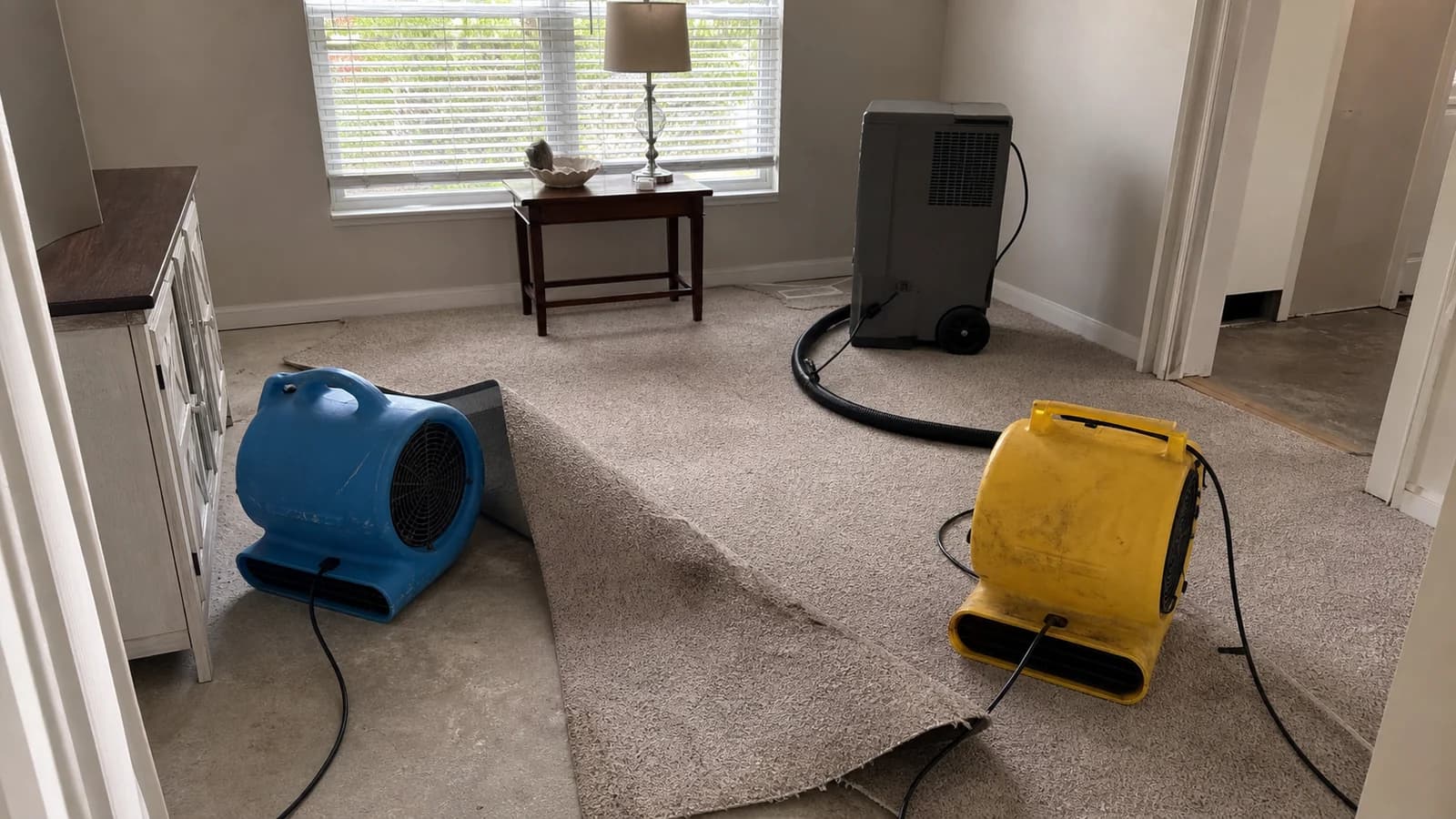
How to Prevent Mold After a Flood in Florida
Mold can start within 24 to 48 hours of a Florida flood. What you do in the first two days decides whether you get mold at all. Here is the playbook.
· 8 min read
Read article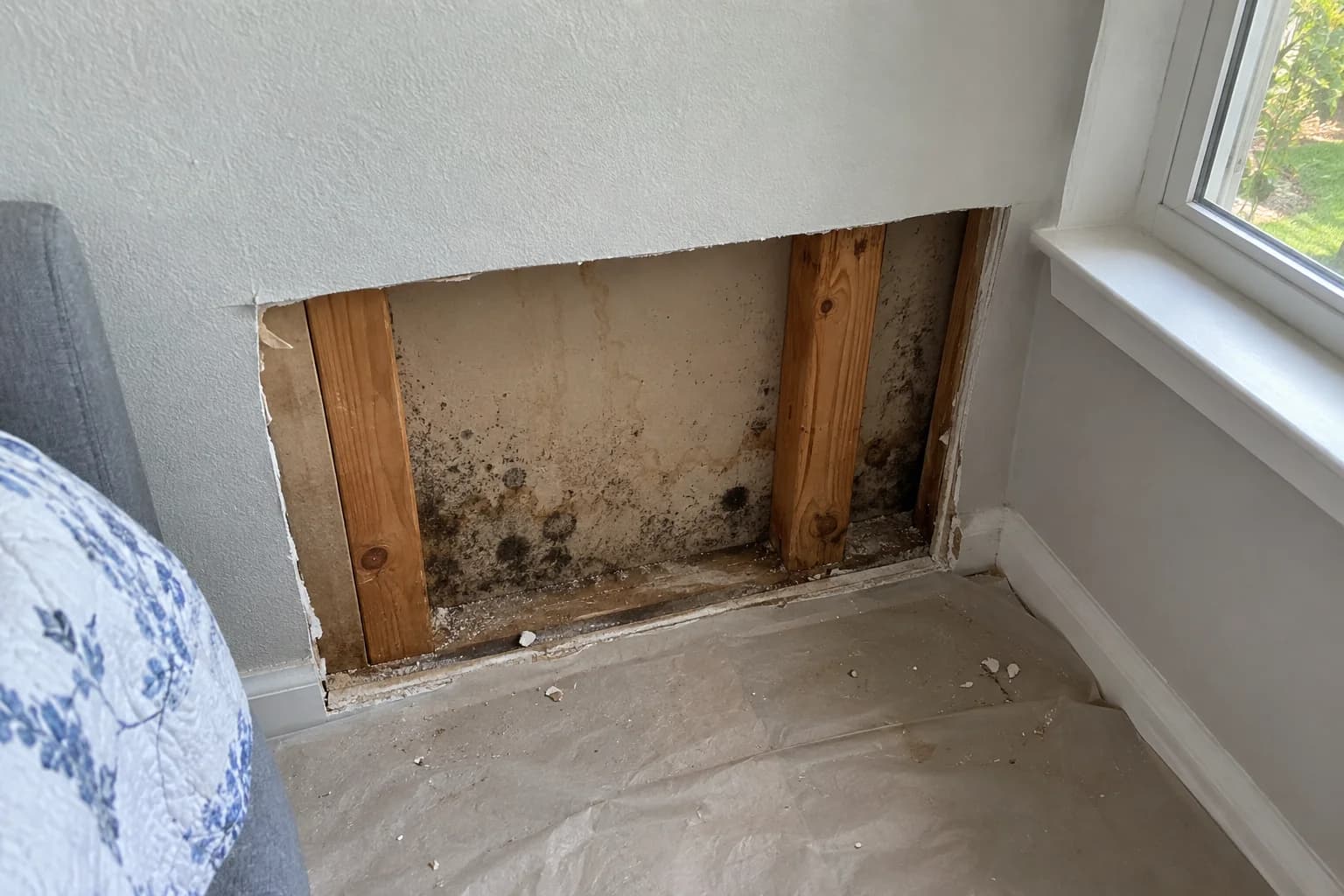
Mold Remediation
Is Black Mold Dangerous? What Florida Homeowners Should Know
Black mold gets talked about like a death sentence. The real risk is more grounded, and in Florida humidity it is common. Here is what the science says.
· 8 min read
Read article
Mold Inspection
Mold Inspection Cost in Florida: What Sets the Price
What sets the cost of a Florida mold inspection: free visual inspections versus paid lab sampling, what an assessor prices on, and how to avoid overpaying.
· 8 min read
Read article