Waterproofing
Can Mold Grow on Concrete? Slabs and Block Walls in Florida
Mold grows on the dust and film on a damp slab. Where it shows up in Florida homes, how to clean it off concrete and how to stop it coming back.

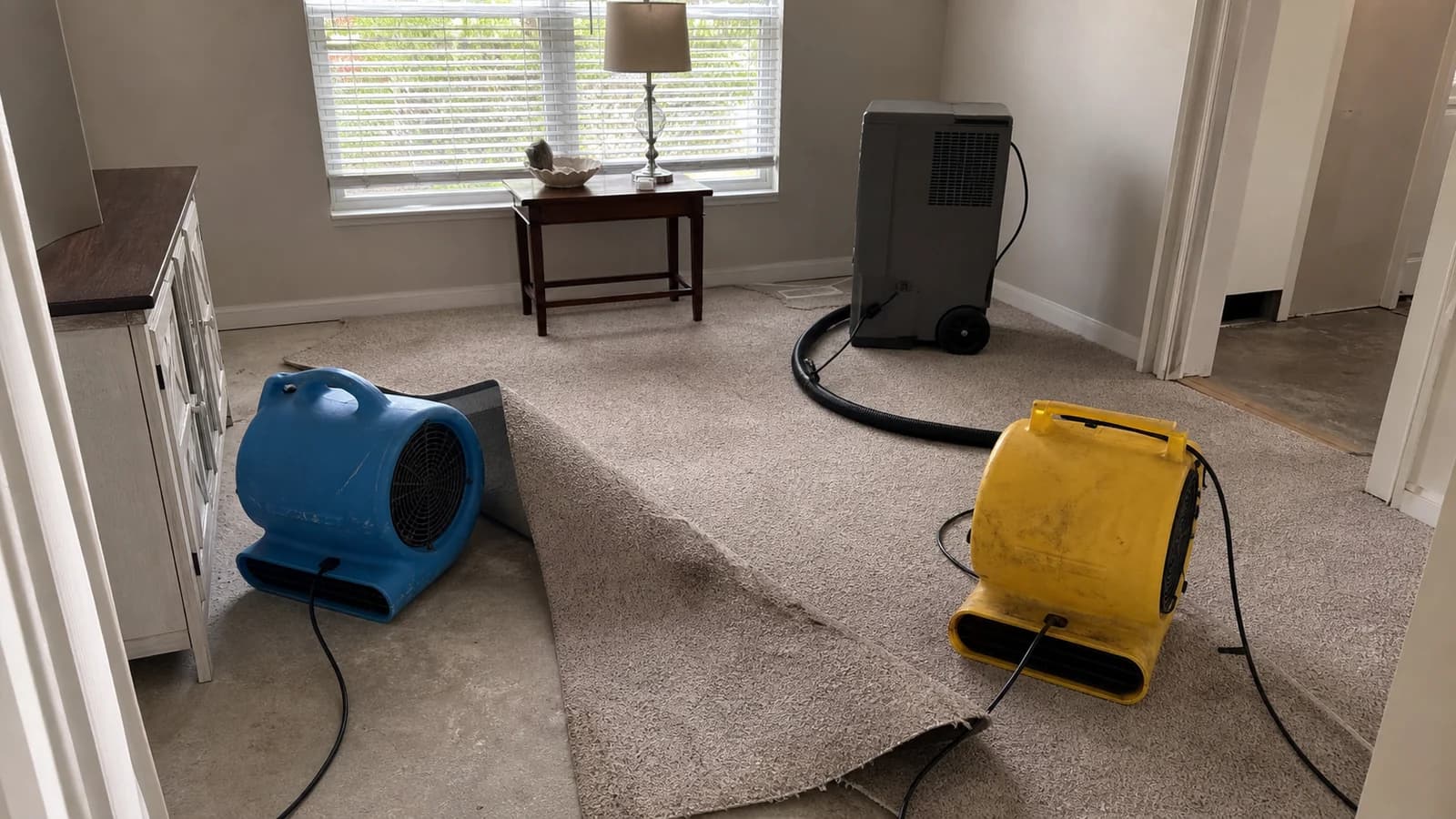
Yes. Concrete is not food for mold, but it is porous and holds water. Mold can grow in dust, the CDC notes, so the dirt and residue that settle on a damp slab give it something to feed on. In a Florida home the usual place to find it is on the slab under carpet, vinyl plank or laminate, where moisture coming up from below has nowhere to go.
What mold on concrete looks like
Mold on concrete looks like black, green or gray spots, sometimes with a fuzzy edge. It tends to follow the damp: a band along the base of a wall, a patch under a rug or the outline of a piece of furniture that sat on the slab.
White growth needs a second look. A white, crunchy or powdery crust on concrete or block is often efflorescence, the mineral salt left behind when water moves through the concrete and evaporates at the surface. It is not mold, but it tells you the same thing: water is getting through.
Where it grows in Florida homes
Most homes here sit on a concrete slab with concrete block walls, so the places to check are predictable:
- under carpet and pad, especially along outside walls
- under vinyl plank, laminate and floating floors laid straight on the slab
- behind furniture pushed against an outside block wall
- the garage floor and the base of garage walls
- closets on outside walls, where air barely moves
Why the slab stays damp
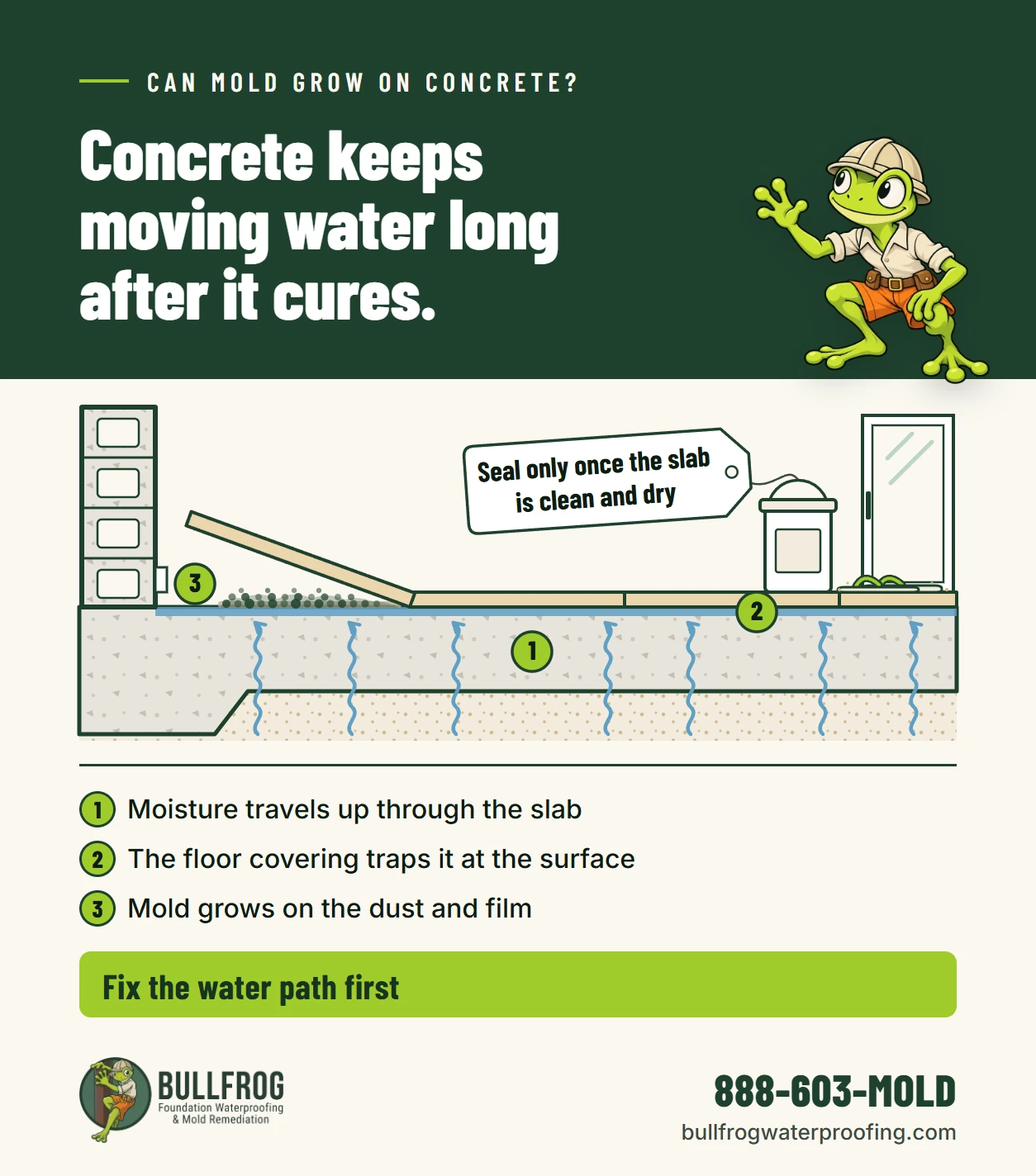
Concrete keeps moving water long after it cures. Moisture from the ground below can travel up through a slab. A floor covering laid on top traps it at the surface where mold grows. Flooring installers test slabs for moisture before laying floors for exactly this reason, most often with the two ASTM tests the EPA names, F1869 and F2170.
The other common sources are water coming through the block wall or the joint where the wall meets the slab after rain, a plumbing leak under or in the slab and an air conditioning condensate line that overflows. The first one is ours to fix. A plumbing leak needs a licensed plumber.
How to clean mold off concrete
Scrub it with detergent and water and a stiff brush, then dry the surface completely. That is the EPA's advice for mold on hard surfaces and concrete counts. Wear gloves and an N95 respirator. Keep the area ventilated while you work.
Skip the bleach. The EPA does not recommend biocides such as bleach as a routine part of mold cleanup. Detergent, scrubbing and drying do the work.
Hold off on sealer too. A sealer or paint over damp or moldy concrete traps the moisture and the growth underneath. Seal only once the slab is clean and dry and the water source is fixed.
If the patch covers more than about 10 square feet, the EPA suggests reading its guidance for larger cleanups or calling a professional.
Mold under flooring on a slab
Pull the flooring back where the smell is strongest or along the outside wall. Check the carpet pad and the underside of vinyl plank. Carpet pad that grew mold goes. Vinyl plank can sometimes be cleaned, dried and relaid, but only on a slab that has stopped taking water. Otherwise it comes back the same way.
How to stop mold growing on concrete
Keep the slab and the air above it dry:
- fix the water path first, whether that is the wall, the slab joint, the gutters or a leak
- keep indoor humidity below the EPA's ceiling of 60 percent, running the air conditioning or a dehumidifier to hold it there
- slope soil and mulch away from the foundation and point downspouts away from the house
- leave space between furniture and outside block walls so air can move
When the water is coming through the block or up at the wall joint, foundation waterproofing is the permanent fix. It carries a lifetime warranty. If mold has already spread under the floor or into the drywall, mold remediation removes it under Florida mold remediator license MRSR5565. A free mold inspection tells you which of the two you are dealing with. To see how it applies locally, read about waterproofing and mold remediation in Tampa and in West Palm Beach.
FAQ
Can mold grow on concrete? Yes. Concrete is porous and holds water. The dust and residue on its surface feed mold whenever the concrete stays damp. It is most common on slabs under flooring and on the base of outside block walls.
How can you tell if concrete has mold? Mold on concrete shows as black, green or gray spots, often with a musty smell. A white crunchy or powdery crust is more likely efflorescence, a mineral deposit left by water moving through the concrete.
What kills mold on concrete? Scrubbing with detergent and water, followed by thorough drying, removes mold from concrete. That is what the EPA recommends for hard surfaces. Removing it and keeping the concrete dry matters more than any product.
How do you stop mold from growing on concrete? Stop the water reaching it. Fix leaks and the path through the wall or slab joint, keep indoor humidity below 60 percent and keep air moving over the slab. Sealers help only on concrete that is already clean and dry.
Can mold grow under vinyl flooring on concrete? Yes. Moisture moving up through the slab gets trapped under vinyl plank and other floating floors. Mold then grows on the concrete and the underside of the flooring. Flooring installers test slabs for moisture for this reason.
Is mold on concrete dangerous? It carries the same risks as mold anywhere else in the house. It can trigger allergy and asthma symptoms in sensitive people. Clean small patches with gloves and an N95 respirator on. Growth that keeps coming back is a sign of water getting in.
Mold on the slab or at the base of the walls? Book a free inspection and find out where the water is coming from.
Available 24/7 · No obligation · Florida mold license MRSR5565

Protect your Florida home
We find the source of water intrusion and handle waterproofing and mold remediation. Start with a free on-site estimate.
Free on-site estimates are for homeowners and property owners. Renting or buying? See your options.
More from Bullfrog Waterproofing
Waterproofing
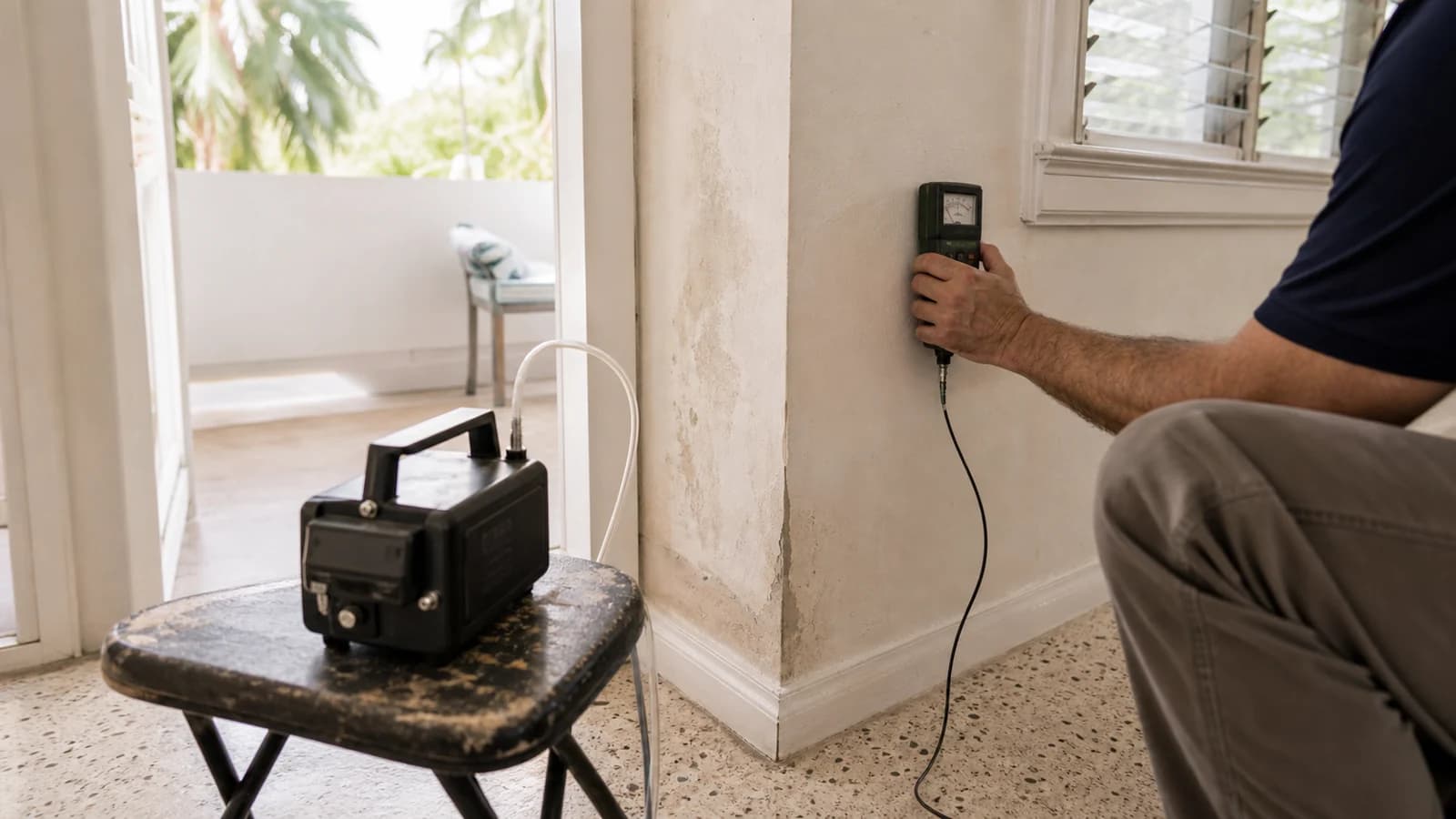
Water Damage on Baseboards: Signs, Causes and Fixes
Swollen, stained or peeling baseboards usually mean water is getting in low on the wall. How to read the signs, find the source and repair or replace.
· 7 min read
Read article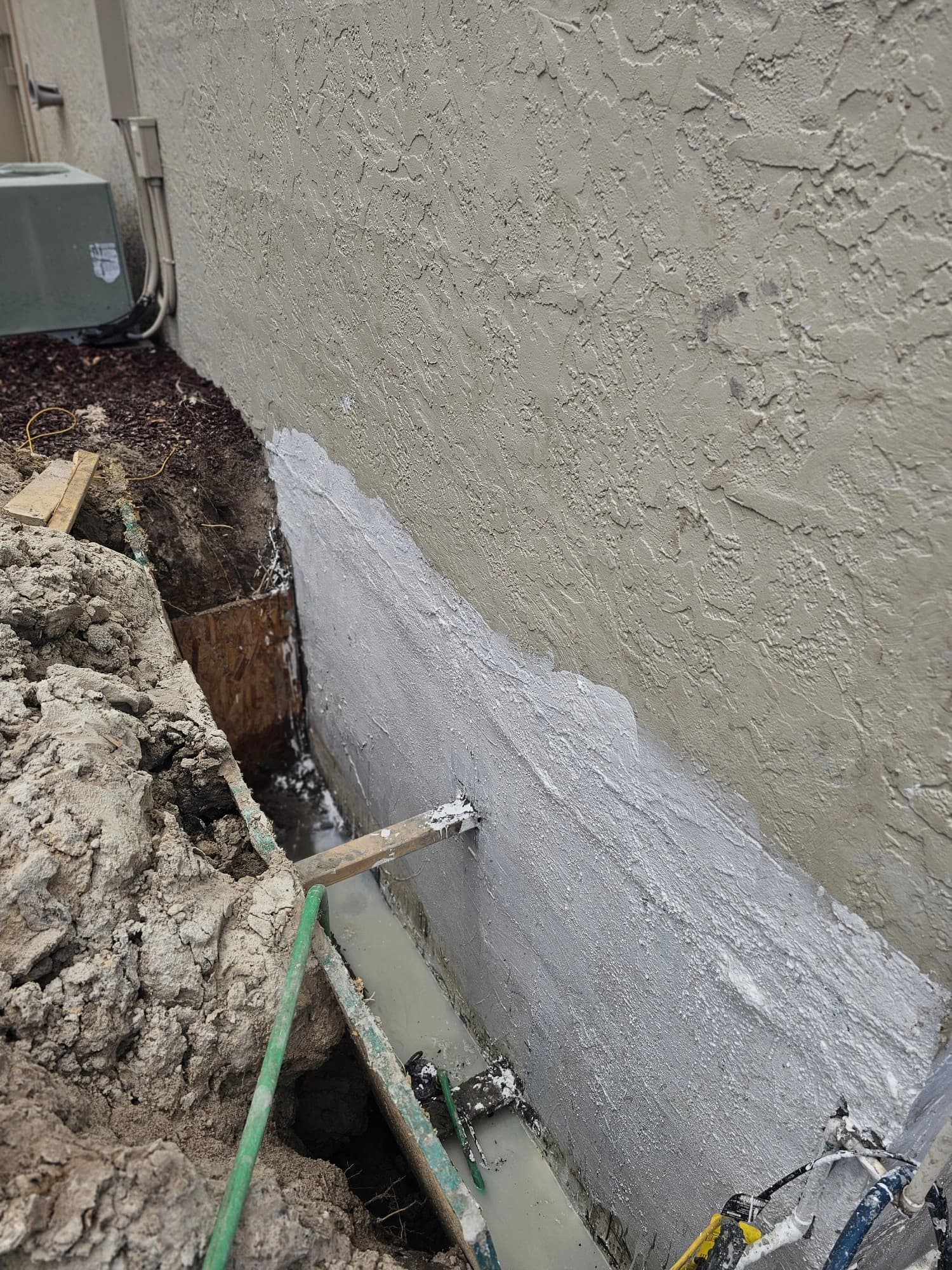
Waterproofing
Foundation Waterproofing Cost in Florida: What Drives the Price
Foundation waterproofing costs vary by method and water intrusion level. Here is what drives a Florida quote up or down, and what to check before you sign.
· 7 min read
Read article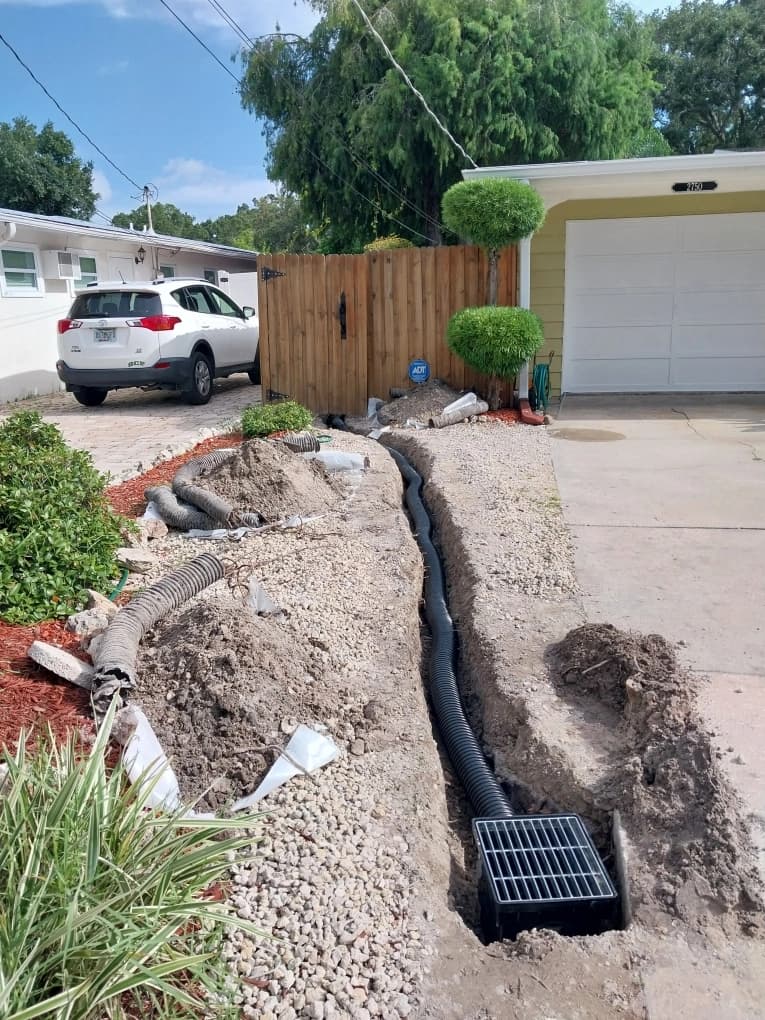
Waterproofing
French Drain vs Sump Pump: Which One Does Your Florida Home Need?
French drains and sump pumps both manage water but solve different problems. Here is how to figure out which one a Florida home actually needs.
· 8 min read
Read article