Mold Remediation in Boca Raton, FL
Many Boca homes went up in the polybutylene years.
That pipe can fail inside the walls.
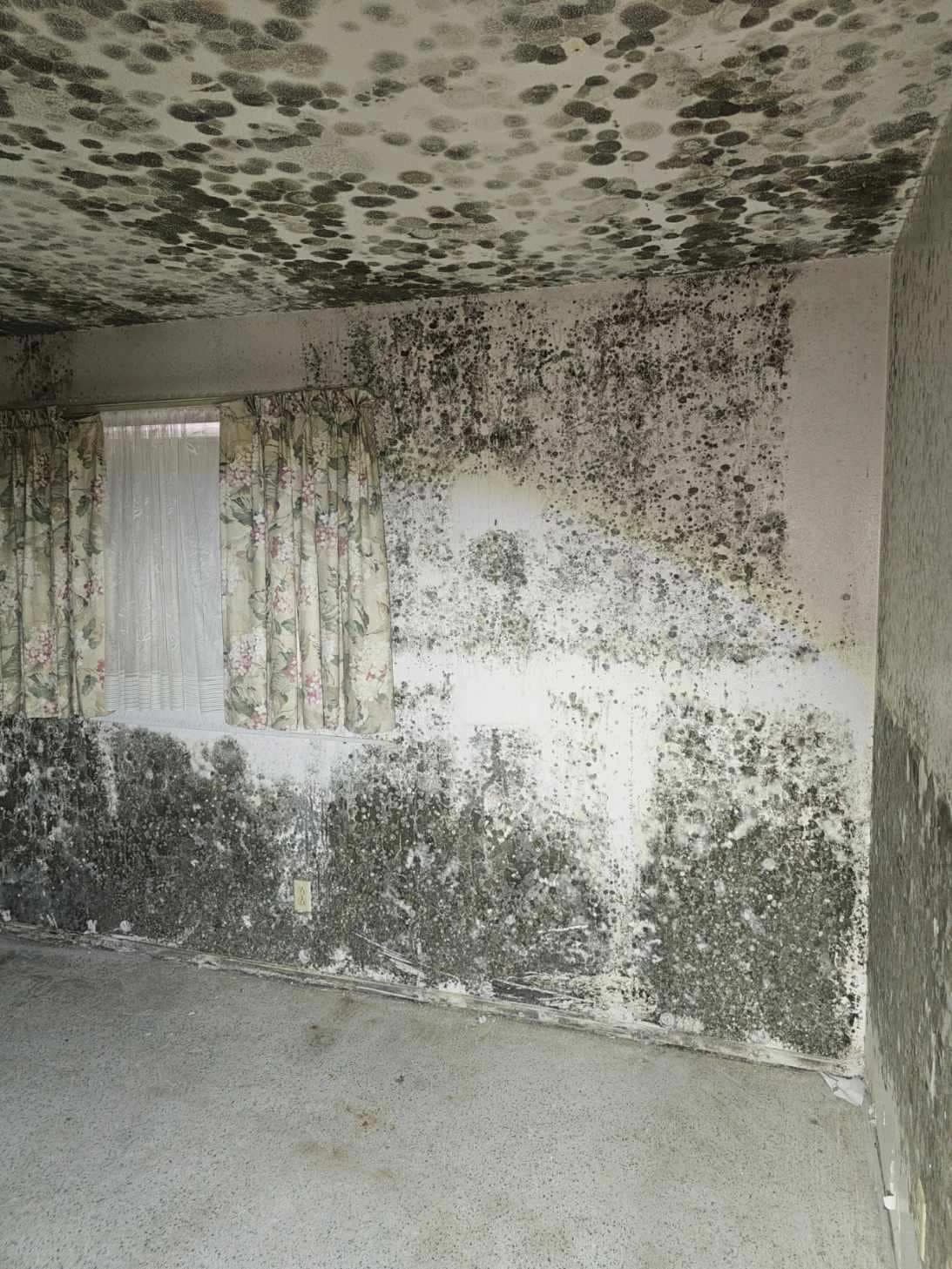
Houses built between 1978 and the mid-1990s were often plumbed with polybutylene, a gray plastic water line whose fittings can turn brittle on chlorinated water. When one drips inside a wall or ceiling, mold grows there long before a stain shows. We find the growth, take it out under containment and trace the drip behind it.
Phone answered 24/7 · Free inspections for homeowners
Trusted, Licensed, and Certified




Mold in Boca Raton Homes
Where mold starts in a Boca Raton house
Boca Raton grew from 28,506 residents in 1970 to 61,492 in 1990. Across the country, polybutylene went into an estimated six million homes between January 1978 and July 1995, the window the Cox v. Shell Oil settlement covered. Chlorine in tap water can make the pipe and its fittings brittle over time. A Boca house from those years is worth a look behind the water heater.
Slow Leaks at the Fittings
The Plastics Pipe Institute says most early polybutylene failures happened at the fittings, where inserts join lengths of pipe. The leak starts as a drip inside a wall or above a ceiling. A drip that runs for months soaks the insulation and the back of the drywall. Mold then grows in a cavity nobody opens.
Old Floresta and the 1920s Houses
The Mizner-designed houses in Old Floresta date from the mid-1920s, with rough stucco and barrel tile roofs. Wind-driven rain works into the hairline cracks of old stucco and wets the wall behind it. Mold can grow on the inside face for months while the paint still looks fine.
What kills mold permanently in a house?
Removal does, followed by keeping the area dry. The EPA says killing mold is not enough, because dead mold can still cause allergic reactions, so it has to come out. Some spores will always be in indoor air and house dust, which is why the job also stops the moisture that let them grow.
Is it polybutylene? Where to look
You need a flashlight and a few minutes. Polybutylene carries supply water only, so ignore the drain and vent pipes.
| Where to look | What polybutylene looks like | What to do |
|---|---|---|
| Above the water heater | A flexible plastic line, usually gray and sometimes silver or black. Rigid white or off-white pipe is PVC or CPVC, a different material. | Photograph where the line runs. The settlement notice names the water heater closet as one of the places polybutylene turns up. |
| Under the sinks | The same flexible line coming out of the wall to the shutoff valve, joined by fittings held with a metal crimp ring about the size of a quarter. | Check the fitting and the cabinet floor under it for staining or damp. |
| On the pipe itself | The code PB2110, the material code the plastic pipe industry used for polybutylene. | If you can read it, you have your answer. |
| Where the water line comes up out of the ground | A service line from the meter in blue, gray or black plastic. | A plumber can confirm the material where it meets the house. |
| In the attic | Gray line running across the ceiling joists, often under the insulation. | Leave the insulation in place. We check the attic during the inspection. |
Sources: Consumer Plumbing Recovery Center, Cox v. Shell Oil settlement notice (colors, fittings, locations and the 1978 to 1995 window); Plastics Pipe Institute, presentation to the ICC, 2023 (the PB2110 code and failures at the fittings).
Our Process
How we remove mold in Boca Raton
- 1
Find the Moisture
We walk the whole house with a moisture meter, including the rooms you did not call about. Mold grows where water sits, so we find the water before we cut anything out.
In a Boca house built between 1978 and the mid-1990s, we also check the water lines where they show at the heater and under the sinks.
- 2
Contain the Area
We seal the work area with plastic sheeting and keep it under negative air through HEPA filters. Spores stay inside the work zone and out of the rest of the house.
- 3
Remove Damaged Material
We cut out moldy drywall, insulation and carpet and bag it inside the containment before it leaves the room. We clean the hard surfaces worth keeping instead of replacing them.
- 4
Treat and Fog
We treat every exposed surface with an antifungal and fog the AC ducts to reach spores the air handler has carried through the house. A new AC filter goes in before we leave.
- 5
Stop the Water
If the water came through the foundation, we waterproof the block in the same job. A roof, a pipe or a sweating AC duct needs another trade, so we show you where it is and name who to call before the walls go back up.
If you want the result tested, an independent licensed mold assessor does that after we finish. Florida law bars a remediator's company from assessing a house it remediated within the previous 12 months.
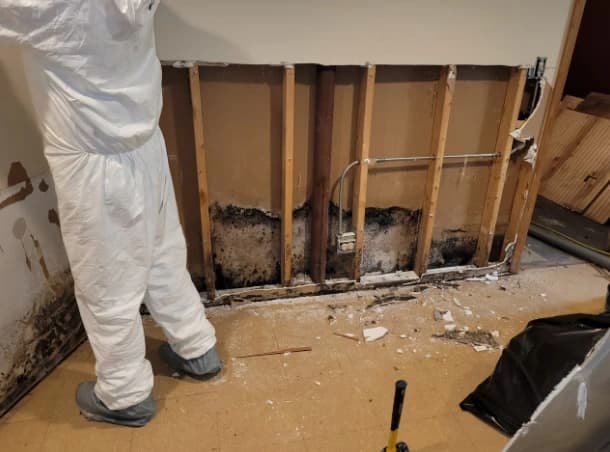

Our mold work runs under Florida mold remediator license MRSR5565. Our foundation waterproofing carries a lifetime warranty against water coming through the section we treat.
Mold Remediation Questions From Boca Raton
How much does mold remediation cost in Boca Raton?
Can you live in a house after mold remediation?
Can I insure a Boca house that has polybutylene pipe?
What are the warning signs of mold in a house?
Should I repipe before or after mold remediation?
MRSR5565
Florida Licensed Mold Remediator
Lifetime
Waterproofing Warranty
24/7
Phone Line
200+
Jobs Completed
5.0
Google Rating
Free
Inspection for Homeowners