Mold Remediation
What Is Mold Remediation? Process and Florida Law
Mold remediation removes mold and the material it grew into, then fixes the moisture. What the work involves and who can do it under Florida law.

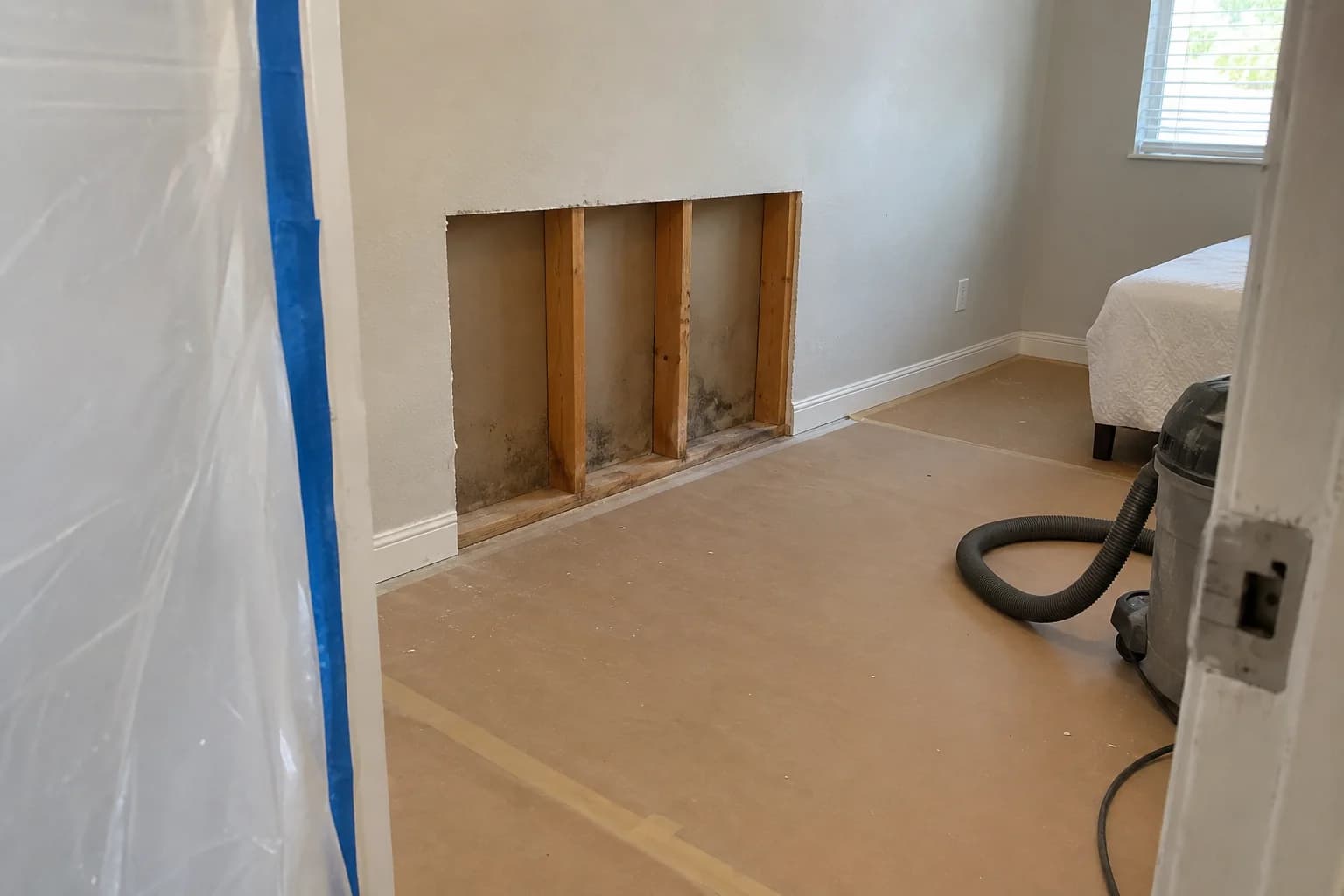
Mold remediation is the work of removing mold and mold-damaged material from a building and fixing the moisture that let it grow. In Florida it is also a legal term. State law defines it as the removal, cleaning, sanitizing, demolition or other treatment of mold or mold-contaminated matter of greater than 10 square feet and anyone offering that work to others has to comply with the state's licensing rules. A homeowner working on their own property is exempt.
Mold remediation vs mold removal
Mold removal usually means cleaning off the growth you can see. Remediation is the whole job around it: sealing off the work area, taking out the material the mold has grown into, cleaning what can be cleaned, drying the structure and dealing with the water that caused it. Removal on its own tends to come back. The moisture that caused it is still there.
What happens during mold remediation
The EPA's guide for professional remediation, Mold Remediation in Schools and Commercial Buildings, sets out the principles most remediators follow. Our process runs in this order:
- First comes an inspection: a walk through the house with moisture readings to find where the water is coming from. It involves no air samples. Sampling is a mold assessor's job under Florida law.
- The work area gets sealed with plastic sheeting and held under negative air pressure, so spores stirred up by the work are pulled out through filters instead of drifting through the house.
- Everyone inside the containment wears protective gear. The EPA sets an N95 respirator, gloves and eye protection as the minimum for this work. Larger jobs call for more.
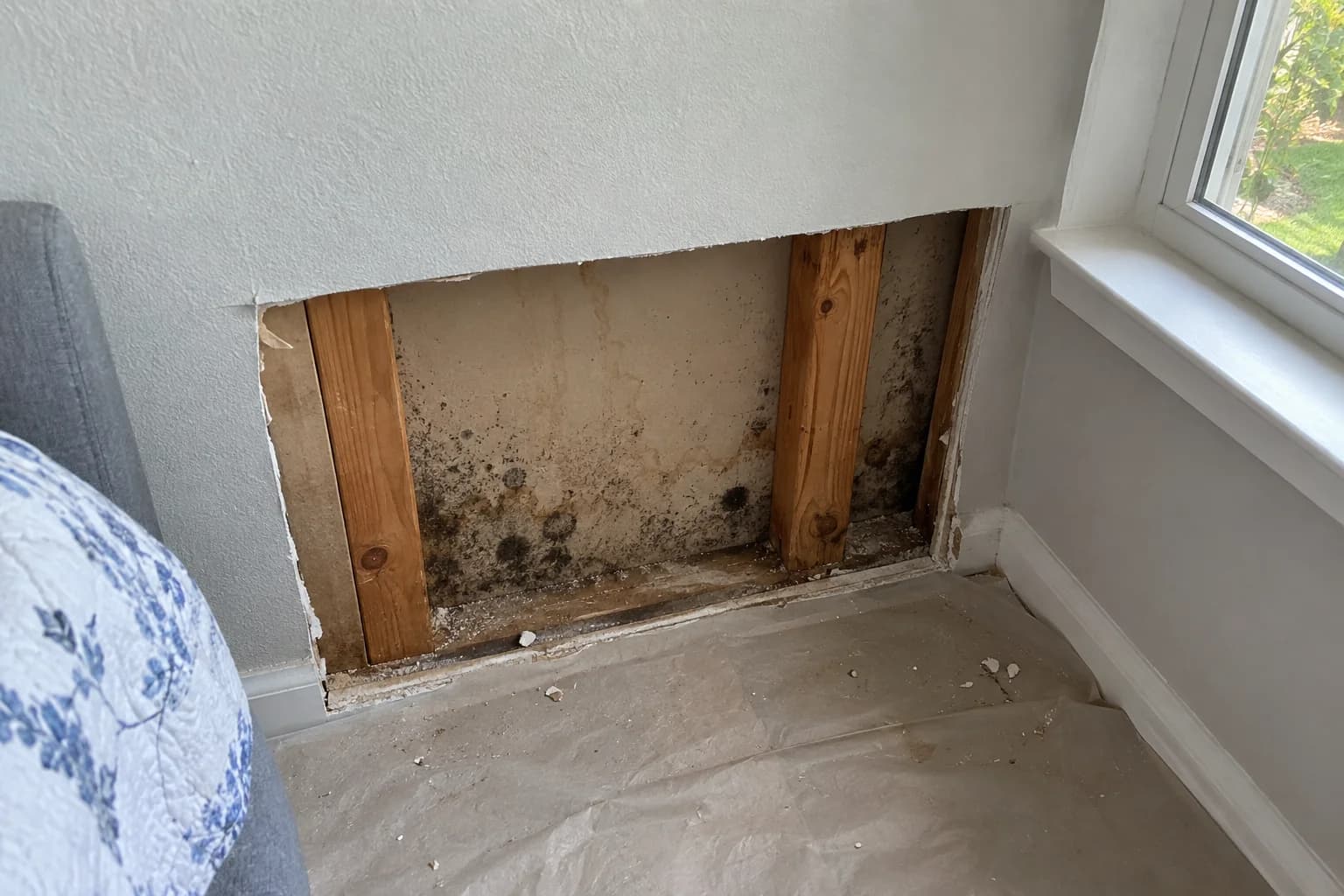
- Porous material the mold has grown into, such as drywall, insulation and carpet, comes out and is bagged. The EPA notes that mold can fill the crevices of porous materials, making it difficult or impossible to remove completely.
- Hard surfaces such as framing, block and concrete get cleaned. We also replace the air conditioning filter and fog an antifungal through the ducts, because the system carries spores from room to room.
- The structure has to read dry before anything is closed back up.
- Last comes the water. If the moisture came through the foundation or the block wall, we waterproof it in the same project. Otherwise the mold returns to the same place.
Some homeowners want an air test afterwards, for a sale, a landlord or an insurer. That test comes from a licensed mold assessor, not from us and we can point you to one.
Mold assessment vs mold remediation in Florida
Florida licenses the two jobs separately, under Part XVI of Chapter 468 of the Florida Statutes. A mold assessor samples and evaluates: the statute describes assessment as physical sampling and detailed evaluation to work out the origin, identity, location and extent of mold growth greater than 10 square feet. A mold remediator does the removal.
The law also keeps the two apart on the same house. Under section 468.8419, a remediator cannot perform a mold assessment on a structure where their company did the remediation in the last 12 months and the same restriction runs the other way for assessors.
Is it safe to stay in the house during mold remediation?
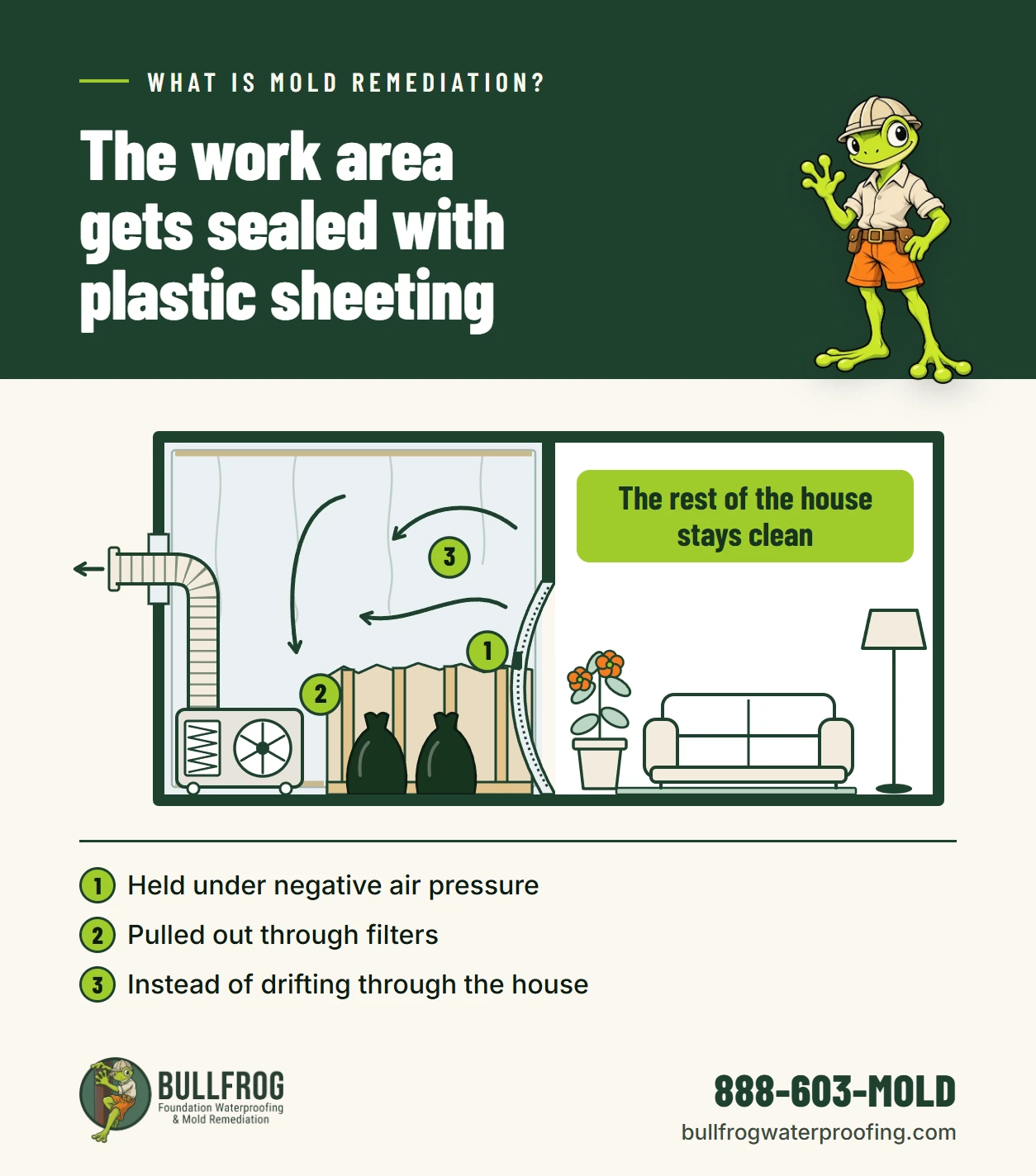
Usually, for most people, as long as the work area is contained. The plastic walls and negative air are there so the rest of the house stays clean while material comes out. People with asthma, a mold allergy or lung disease are the exception worth planning around. The CDC warns that mold can hit people with asthma or mold allergies hardest, so they are better off away from the house on the days when drywall is being removed.
What drives the cost of mold remediation
The job gets priced after a free inspection, with a written estimate before any work starts. What moves the number:
- how much area is affected and how much material has to come out
- where the mold is, because a closet wall is quicker to work than a wall cavity, an attic or the space around an air handler
- whether the air conditioning system and ducts need treatment
- whether the water source needs waterproofing, which is usually what keeps the mold from coming back
- whether you want a clearance test from a licensed assessor afterwards, which is a separate service
Can you do mold remediation yourself?
For small areas, yes. The EPA treats anything under roughly 10 square feet as a homeowner job: scrub hard surfaces with detergent and water and dry them completely. Florida's legal definition of remediation starts above the same 10 square feet. Past that size or when the mold is inside walls or the air conditioning system, the job needs containment and, for anyone doing it for someone else, a licensed remediator.
Getting it done in one project
Bullfrog holds Florida mold remediator license MRSR5565. We do the mold remediation and the foundation waterproofing that stops the water, in one project, with a lifetime warranty on the waterproofing. If you are not sure what you are dealing with yet, start with a free mold inspection. We also have pages on mold remediation in Sarasota and West Palm Beach.
FAQ
What is the difference between mold removal and mold remediation? Removal usually means cleaning off visible mold. Remediation is the full job: containing the area, removing the material the mold grew into, cleaning, drying and fixing the moisture that caused it. Florida's statute defines remediation as work on more than 10 square feet of mold.
Who can do mold remediation in Florida? A licensed mold remediator, when the work is done for someone else. Florida licenses mold remediators and mold assessors separately under Part XVI of Chapter 468, which exempts homeowners working on their own property and some other licensed trades. A company cannot assess a home it remediated within the last 12 months.
Is it safe to stay in a house during mold remediation? Usually, for most people, when the work area is sealed off with plastic and held under negative air pressure. People with asthma, a mold allergy or lung disease should plan to be away while moldy material is being removed.
What does mold remediation typically cost? It is priced per job after an inspection, because the area affected, where the mold is, whether the ducts need treatment and whether the water source needs waterproofing all change the scope. We give a written estimate before any work starts.
Does mold come back after remediation? Not if the moisture is fixed. Mold returns when the material gets wet again, which is why the water source matters as much as the removal.
Can a house with mold be saved? In most cases, yes. Moldy drywall, insulation and carpet can be removed and replaced, framing and block can be cleaned and the water source can be sealed. The job gets bigger the longer the water has been getting in.
Not sure how big the job is? Book a free inspection and get a written estimate before anything starts.
Available 24/7 · No obligation · Florida mold license MRSR5565
Protect your Florida home
We find the source of water intrusion and handle waterproofing and mold remediation. Start with a free on-site estimate.
Free on-site estimates are for homeowners and property owners. Renting or buying? See your options.
More from Bullfrog Waterproofing
Mold Remediation
What Humidity Does Mold Grow At? A Florida Homeowner's Guide
Most molds do best above 60 percent humidity. What that means in a Florida home, where the AC fits in and when humidity is not the real problem.
· 6 min read
Read article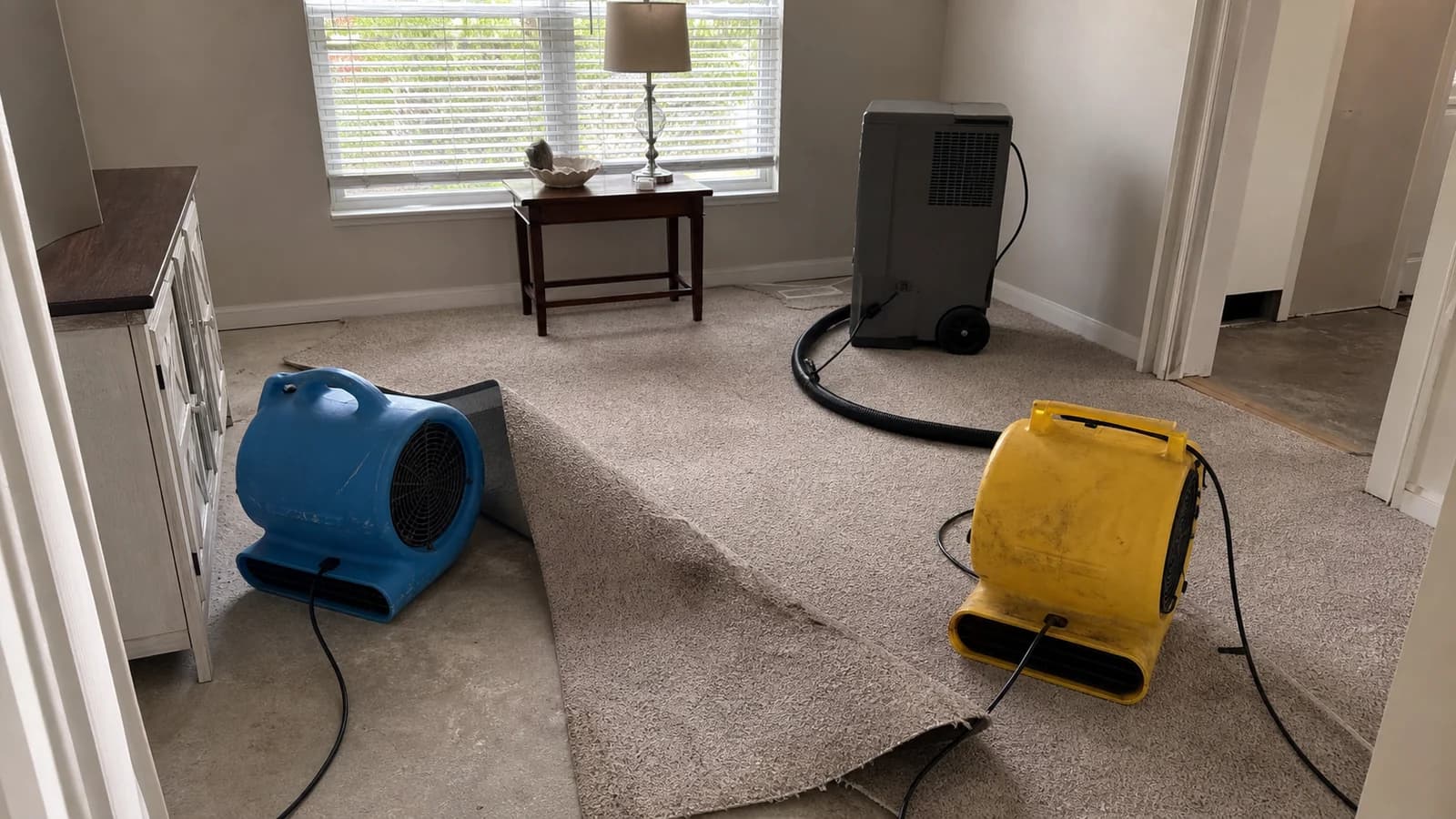
Mold Remediation
How to Prevent Mold After a Flood in Florida
Mold can start within 24 to 48 hours of a Florida flood. What you do in the first two days decides whether you get mold at all. Here is the playbook.
· 8 min read
Read articleMold Remediation
Is Black Mold Dangerous? What Florida Homeowners Should Know
Black mold gets talked about like a death sentence. The real risk is more grounded, and in Florida humidity it is common. Here is what the science says.
· 8 min read
Read article