Mold Remediation
Is Black Mold Dangerous? What Florida Homeowners Should Know
Black mold gets talked about like a death sentence. The real risk is more grounded, and in Florida humidity it is common. Here is what the science says.

Is Black Mold Dangerous? A Straight Answer for Florida Homeowners
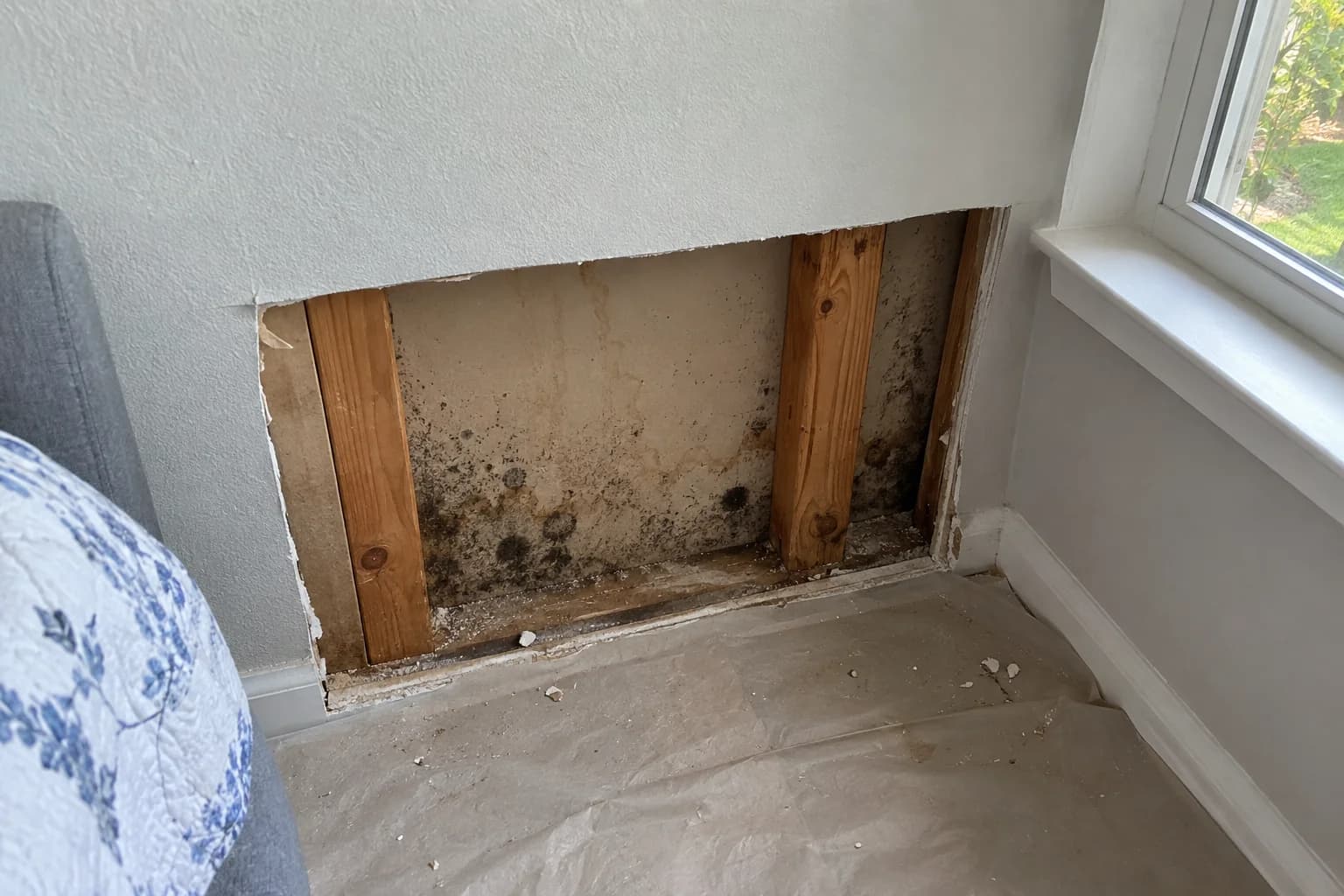
Type "black mold" into a search bar and you will find a lot of fear. Toxic spores, mystery illnesses, homes that need to be abandoned. The reality is calmer than the internet makes it sound, but it is not nothing, and in Florida's climate black mold is common enough that most homeowners will deal with it at some point. Here is what is actually true, what the health agencies say and what you should do when you find it.
What people mean by "black mold"
When people say black mold they usually mean Stachybotrys chartarum, a dark greenish-black mold that grows on materials with a high cellulose content, like drywall, wood and ceiling tile, when they stay wet. It is the one with the scary reputation.
Here is the part that gets lost: plenty of molds look black and are not Stachybotrys, and Stachybotrys is not the only mold that can affect your health. Color is a poor way to identify mold or judge its risk. A dark spot on your bathroom ceiling might be Stachybotrys, or it might be one of a dozen other species that happen to look similar. The only way to know the type is lab testing, and for most homeowners the type does not change the plan: mold that is growing indoors on wet material needs to come out.
What the health agencies actually say
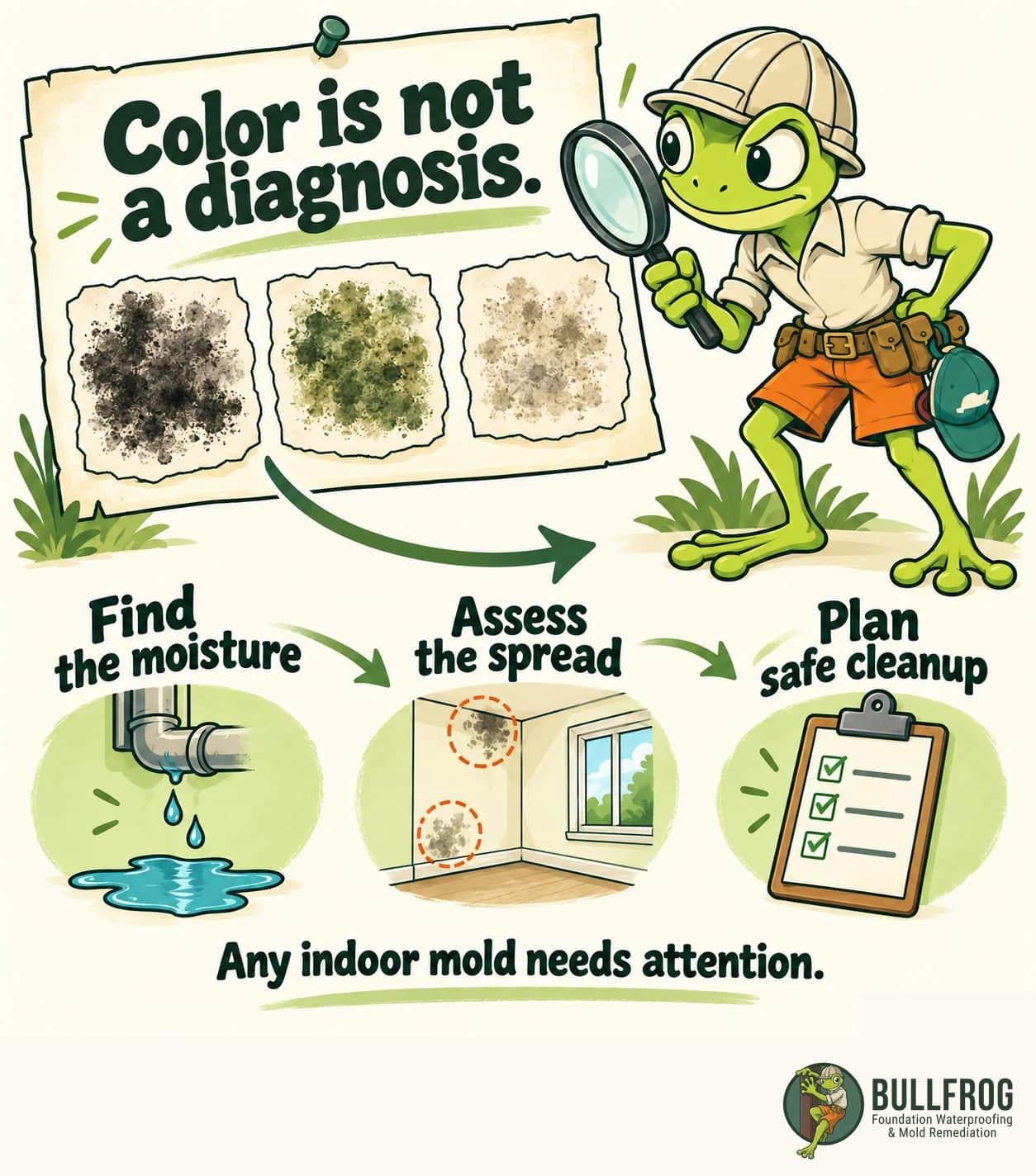
This is where the myth and the science part ways. The CDC and EPA are clear that mold can cause health effects, and they are equally clear that the "toxic black mold causes severe disease" claims are not well supported by evidence for most people. The major medical sources land in the same place. The Cleveland Clinic says black mold "rarely causes serious illness or death" but can worsen asthma, and Harvard Health reports that black mold does not appear to be more dangerous than other common household molds.
What is well established is that mold exposure can cause:
- Nasal congestion, sneezing and a runny or stuffy nose
- Coughing, wheezing and throat irritation
- Itchy or watering eyes and skin irritation
- Worsened symptoms for people with asthma or mold allergies
People who are more sensitive tend to react more: those with allergies, asthma, weakened immune systems or existing lung conditions. For them, the symptoms can be significant and are a real reason to act quickly. The dramatic claims, memory loss, lung bleeding in adults and similar, are not backed by strong science and go well beyond what the agencies support.
So the honest framing is this: black mold is not the horror-movie threat it is made out to be, but it is a genuine indoor air quality problem that irritates a lot of people and hits sensitive groups harder. That is reason enough to take it seriously without panicking.
Why black mold is so common in Florida
Mold needs two things: moisture and a surface to feed on. Florida hands it both, year-round. Our outdoor humidity sits high enough that indoor spaces stay damp without constant air conditioning, and the same warmth that makes the state pleasant keeps mold active in every month of the year, not just a wet season.
The usual Florida sources are predictable once you know to look. AC systems that run cold create condensation, and a clogged condensate line or an oversized unit that short-cycles leaves moisture behind. Concrete-block homes on slabs trap humidity in wall cavities. Coastal homes take on salt air and storm exposure. And after any flooding, materials that stayed wet for more than a day or two become prime territory. If you have been through a storm recently, our guide on mold after a hurricane in Tampa Bay covers what to check first.
Signs you are dealing with black mold
You do not always see it before you feel it. Watch for:
- A persistent musty, earthy smell, often stronger when the AC runs
- Dark spotting on drywall, ceilings, grout or around vents
- Allergy-type symptoms that ease when you leave the house and return when you come back
- Warping, staining or a soft feel to walls or baseboards near past leaks
- Visible growth in closets, behind furniture on exterior walls or under sinks
The smell-plus-symptoms combination, with no mold you can see, is the classic sign of hidden growth inside a wall or duct. That is when a professional mold inspection in Orlando with moisture meters earns its cost, because it finds what a visual check cannot.
What to do when you find black mold
The response depends on how much there is. The EPA's general guidance is a useful line: for a small area, under about 10 square feet, roughly a 3-by-3-foot patch, a careful homeowner can often handle cleanup on a hard, non-porous surface. Beyond that, or when mold is in porous materials, HVAC or hidden behind walls, it is a job for a licensed remediator.
For anything larger than a small spot, do not do these three things:
- Do not paint or bleach over it. Painting hides mold, it does not kill it, and bleach does not work on porous materials like drywall. The growth continues under the surface.
- Do not disturb it without containment. Scrubbing a large area sends spores through the house and into the AC system, spreading the problem to rooms that were clean.
- Do not stop at the mold. Mold is a symptom of a moisture problem. Remove the mold without fixing the source and it comes back in the same spot within months.
A proper remediation contains the area, removes the affected materials, treats the framing and, critically, addresses the moisture that caused it. When water intrusion is part of the picture, that can mean water damage restoration and waterproofing alongside the mold work, ideally from one contractor so nothing falls through the cracks. Our mold remediation cost guide lays out what that typically runs in Florida.
The bottom line
Black mold is not a reason to panic, and it is not a reason to ignore it either. It is a common Florida problem that irritates many people, affects sensitive groups more seriously and always points back to a moisture source that needs fixing. Treat it as a health and building issue to resolve promptly, not a catastrophe, and you will make good decisions.
FAQ
Is it safe to live in a house with black mold? For a small, contained patch you plan to remove promptly, usually yes for a healthy adult. It becomes a real problem when the growth is widespread, involves the AC system or when someone in the home has asthma, allergies or a weakened immune system. In those cases it is safer to stay elsewhere until the mold is removed and the moisture source is fixed.
Is black mold actually toxic? Some molds produce compounds called mycotoxins, but the claim that "toxic black mold" causes severe illness in healthy adults is not well supported by the CDC or EPA. What is established is that mold can cause allergy and respiratory symptoms, which are worse for sensitive people.
Can black mold cause cancer? There is no solid evidence that household black mold causes cancer. That claim comes from studies of very high doses of specific mycotoxins in food and animal settings, not from normal home exposure. The real, documented risks are allergy and respiratory effects.
What are the symptoms of black mold exposure? Common symptoms include nasal congestion, coughing, wheezing and irritation of the throat, eyes and skin. People with asthma, allergies or weakened immune systems tend to react more strongly.
Can I clean black mold myself? For a small area under about 10 square feet on a hard, non-porous surface, often yes, with proper precautions. Larger areas, porous materials, HVAC involvement or hidden mold should go to a licensed remediator.
Does bleach kill black mold? Not on porous surfaces like drywall or wood. Bleach may lighten the surface stain while the mold keeps growing underneath. Affected porous materials usually need to be removed, not sprayed.
Why do I keep getting mold in the same spot? Because the moisture source was never fixed. Mold is a symptom. If a leak, condensation issue or humidity problem remains, mold returns to the same place after cleanup.
Is black mold more common in Florida? Yes. Florida's year-round humidity, slab construction, AC condensation and storm exposure create ideal conditions, which is why indoor mold is a common issue across the state.

Book a Free Inspection
Found dark spotting or a musty smell you cannot track down? A licensed inspection will identify the source and tell you whether it is a simple cleanup or something that needs full remediation.
Available 24/7 · No obligation · Florida mold license MRSR5565
Free on-site estimates are for homeowners and property owners. Renting or buying? See your options.
More from Bullfrog Waterproofing
Mold Remediation
How to Prevent Mold After a Flood in Florida
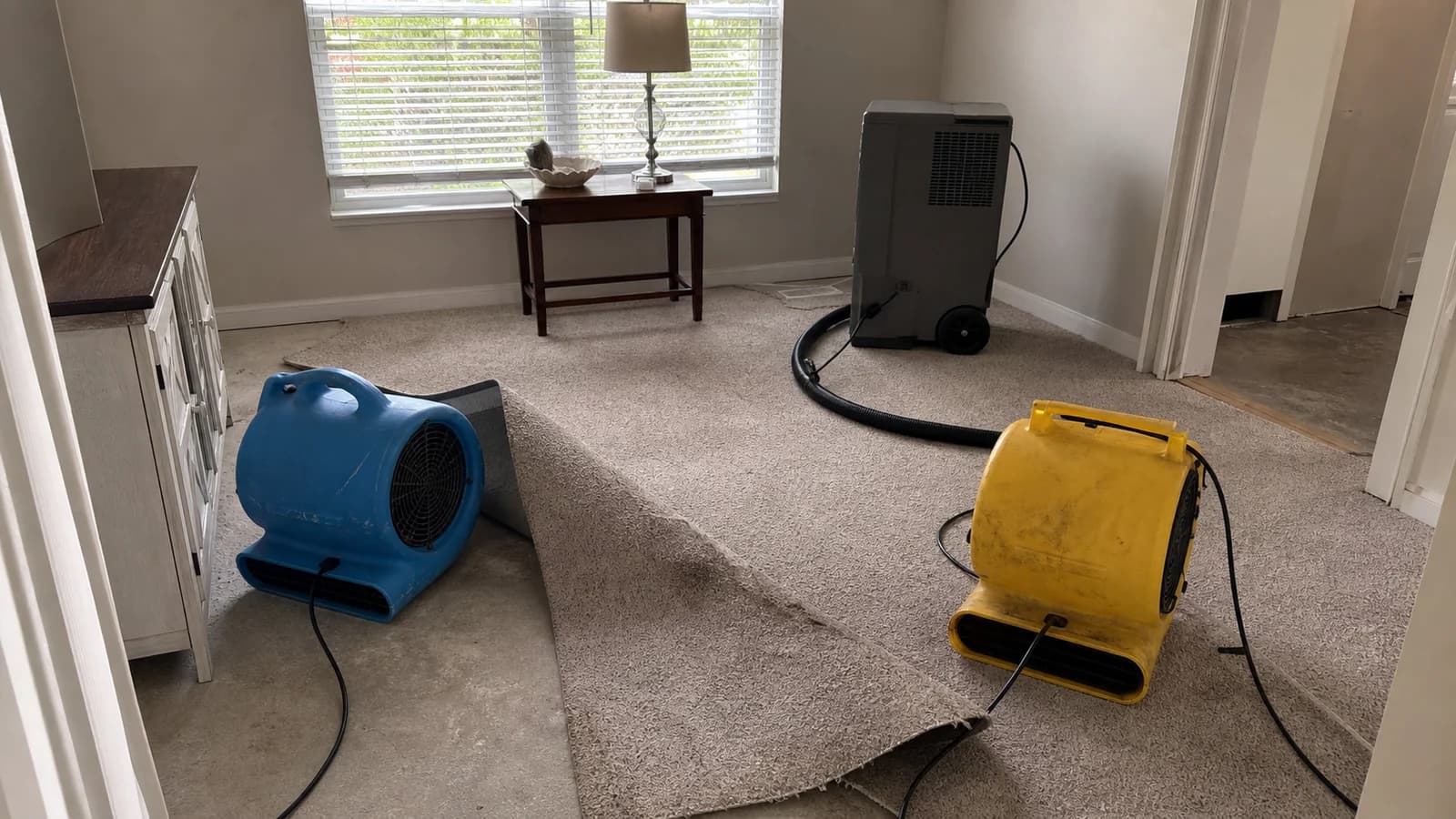
Mold can start within 24 to 48 hours of a Florida flood. What you do in the first two days decides whether you get mold at all. Here is the playbook.
· 8 min read
Read article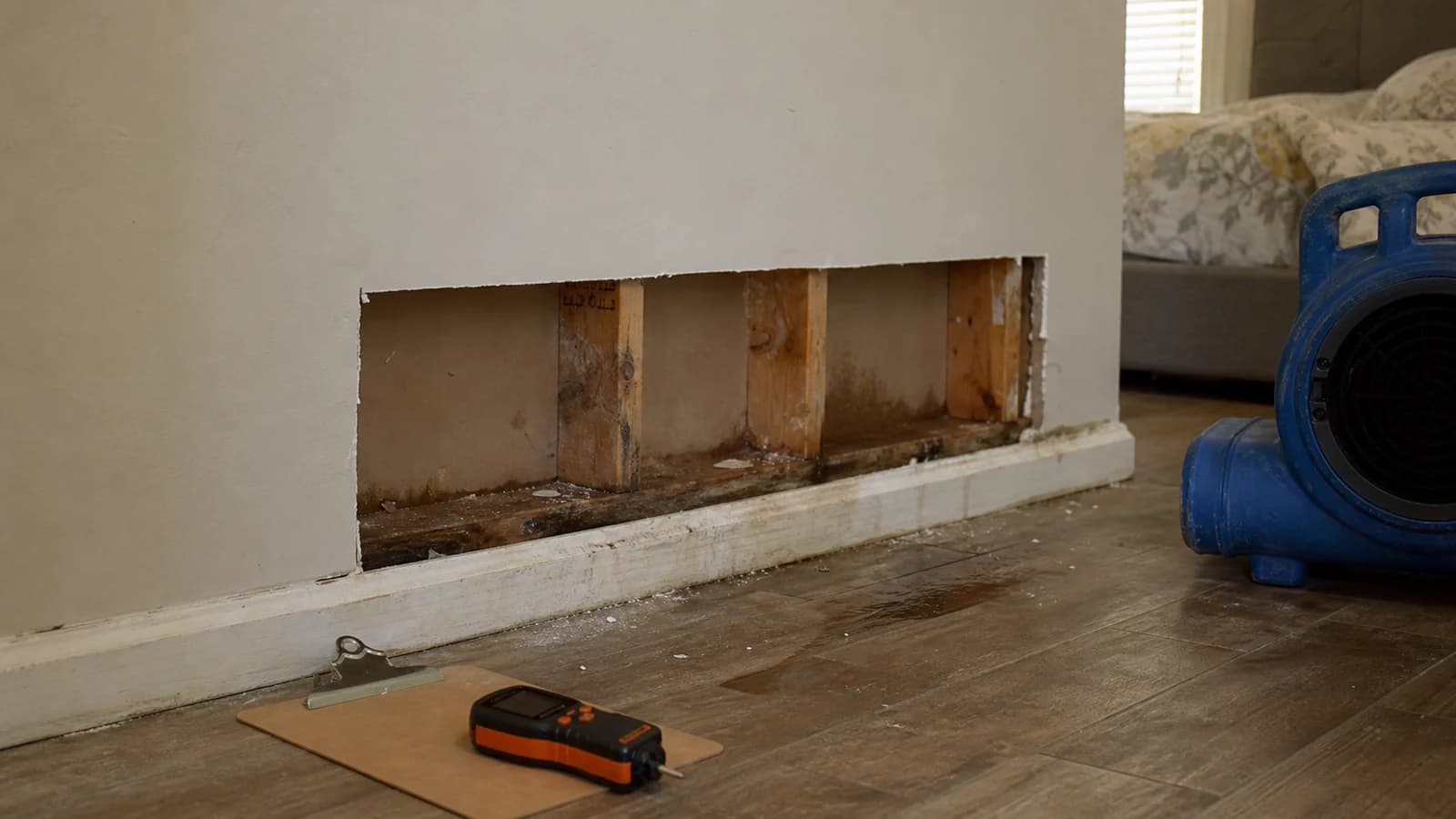
Mold Remediation
Does Homeowners Insurance Cover Mold in Florida?
Whether your Florida policy pays for mold comes down to what caused it. Here is how coverage works, what gets denied and how to protect your claim.
· 9 min read
Read article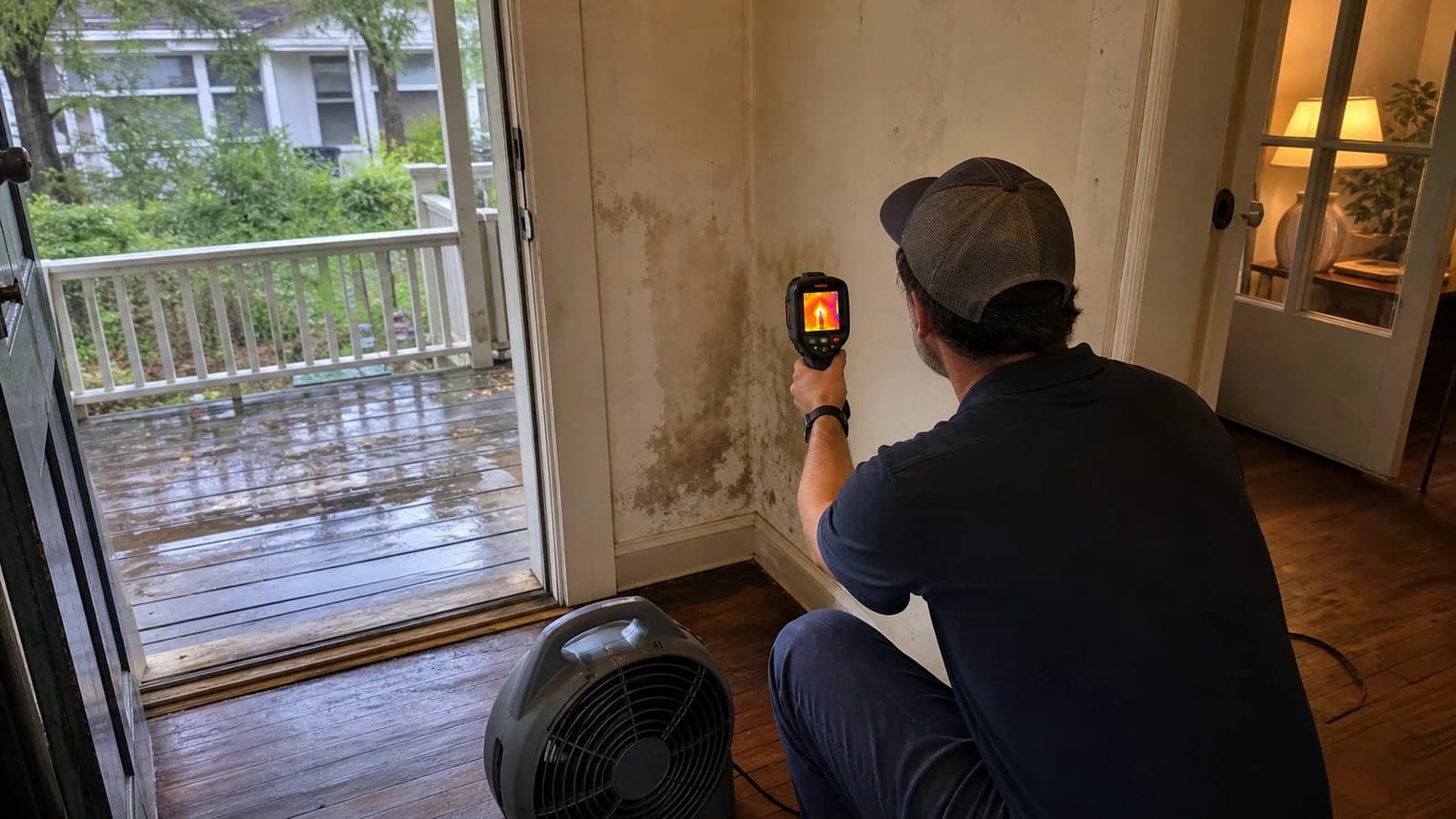
Mold Remediation
Mold After a Hurricane in Tampa Bay: What to Check First
Mold can start within 48 hours of a Tampa flood. What to check after a hurricane, the signs to watch for, and when to call a licensed remediator.
· 7 min read
Read article