Mold Remediation
What Humidity Does Mold Grow At? A Florida Homeowner's Guide
Most molds do best above 60 percent humidity. What that means in a Florida home, where the AC fits in and when humidity is not the real problem.

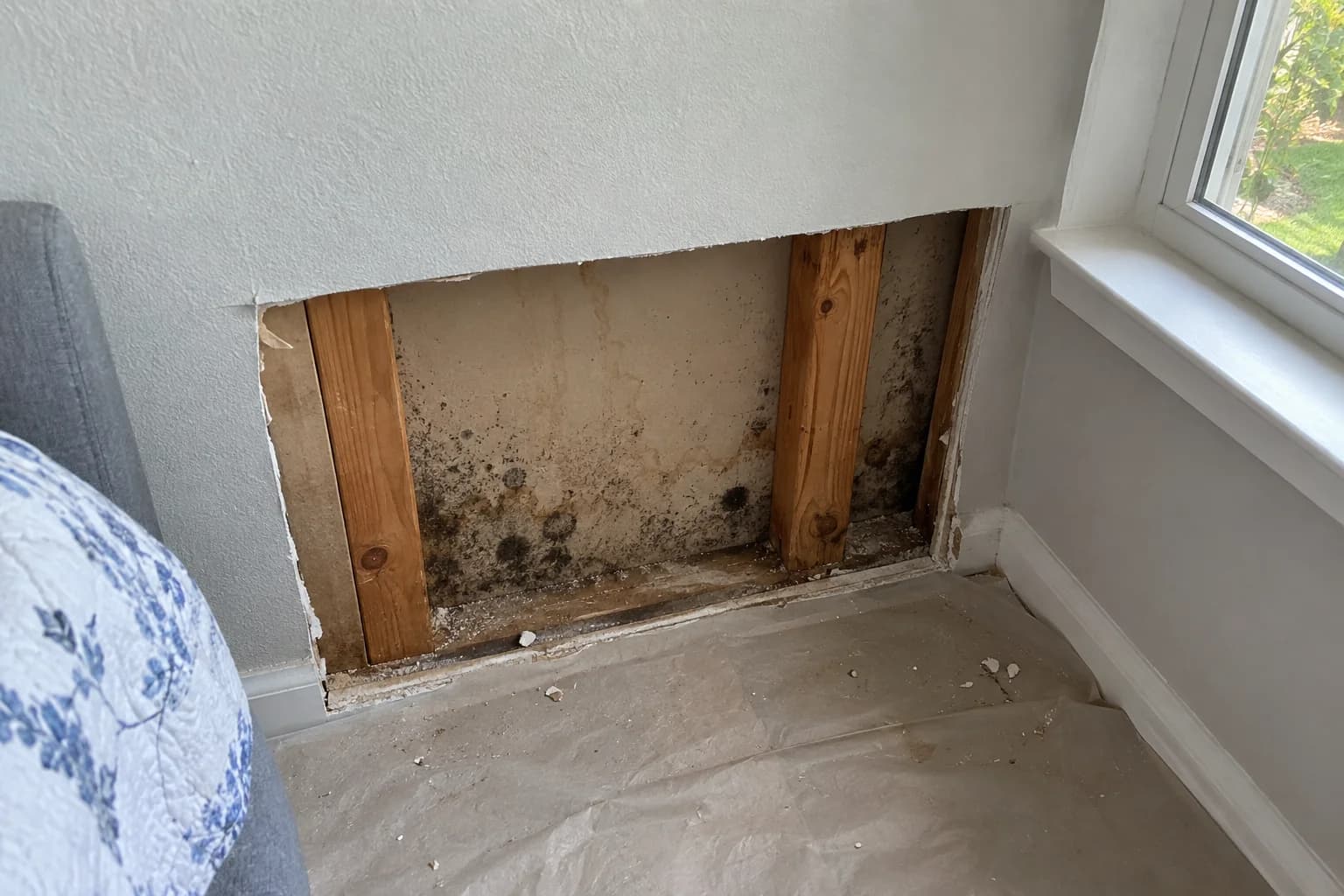
Most molds do best when relative humidity sits above 60 percent. The EPA advises keeping indoor humidity below 60 percent, ideally between 30 and 50. In a Florida home the air conditioning is what holds it there and a cold or damp spot can grow mold even when the room reads lower.
What humidity does mold grow at?
Above 60 percent is where most molds thrive. UF/IFAS Extension says most molds do best at over 60 percent relative humidity. Mold does not need a puddle to get started either. The EPA notes that growth can happen when high humidity alone keeps a material damp enough.
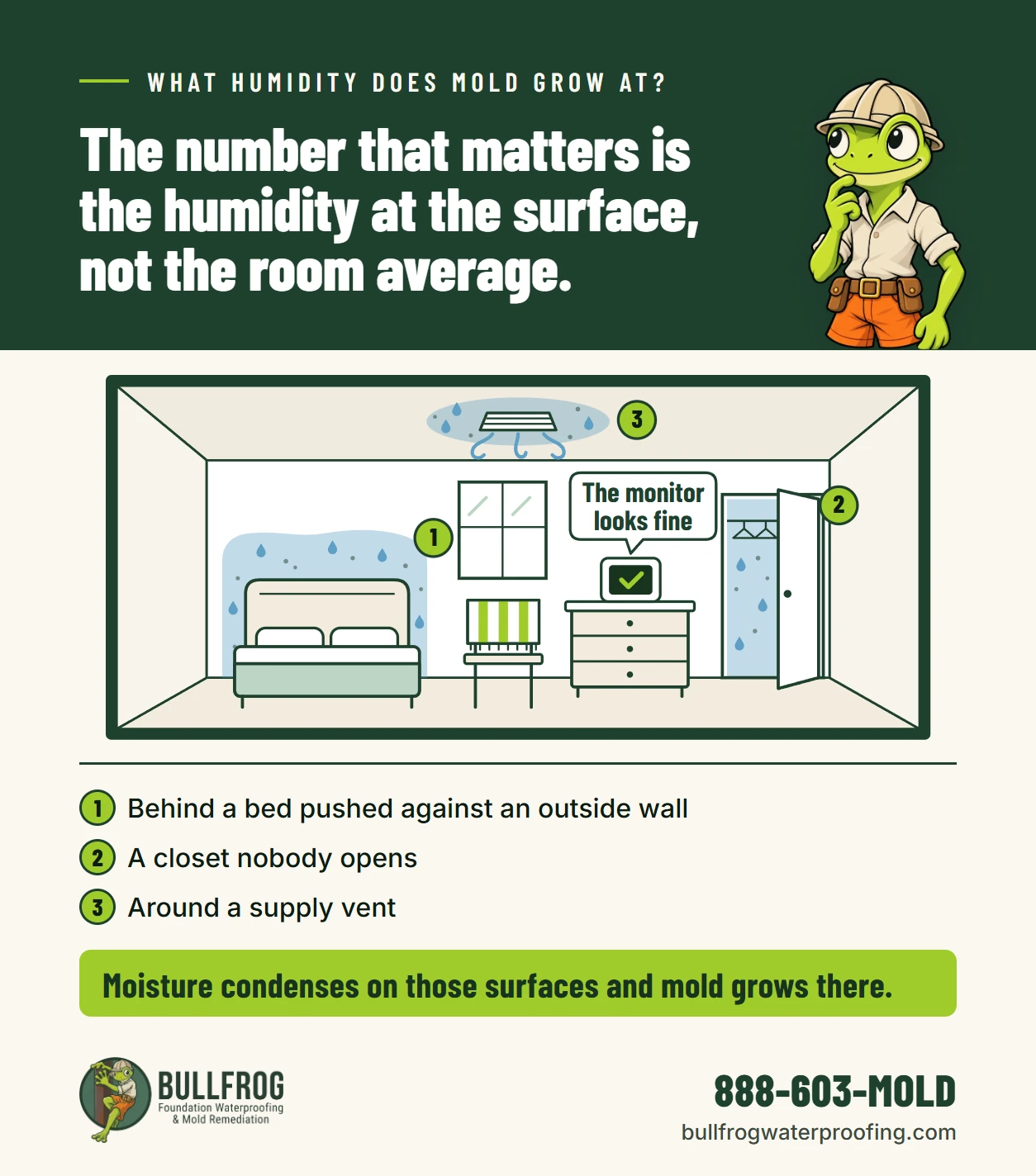
The number that matters is the humidity at the surface, not the room average. A wall, a closet or the back of a dresser can be much damper than the air in the middle of the room.
What indoor humidity should a Florida home keep?
Below 60 percent and ideally between 30 and 50. That is the EPA's guidance. The Florida Department of Health goes a step further: most experts suggest below 60 percent and below 50 is best for controlling both mold and dust mites.
| Indoor relative humidity | What it means |
|---|---|
| 30 to 50 percent | The EPA's ideal range |
| 50 to 60 percent | Under the EPA ceiling, above what the Florida Department of Health calls best |
| Over 60 percent | Where most molds do best, according to UF/IFAS Extension |
Will mold grow at 50 percent humidity?
It can, on the right surface. A room reading 50 percent can still have cold, damp spots: the wall behind a bed pushed against an outside wall, a closet nobody opens or the area around a supply vent where cold air meets warm, humid air. Moisture condenses on those surfaces and mold grows there, while the humidity monitor on the counter looks fine.
Does running the AC help with mold?
Yes. An air conditioner pulls moisture out of the air as it cools and in Florida it is the main thing keeping indoor humidity down. Two habits undo that. The first is switching it off when you leave for a week or a season. UF/IFAS Extension advises Florida homeowners not to set the thermostat higher than 85 degrees when they close a house up. The second is setting it so high that it barely runs. If the house feels cool but clammy, have an AC technician check that the system is actually removing moisture.
The air handler itself can grow mold when it stays wet. Our guide to mold in AC vents covers what causes it and what fixes it.
Does a dehumidifier help with mold?
It helps stop new growth in a room that runs damp, such as a closed-up bedroom or a garage. It does not remove mold that is already there and it does nothing about water coming through a wall or up through the slab.
How to check your humidity
A small digital humidity monitor, sometimes sold as a hygrometer, gives you the room reading. Put one in the room that smells mustiest and one in a room that does not, then compare them over a week. If you are away for the summer, leave one where a neighbor or property manager can read it.
When humidity is not the problem
If one wall or one corner keeps growing mold while the rest of the room stays clean, the air is probably fine. Something is wetting that spot: a leak, condensation on a cold surface or water coming through the concrete block or the joint where the wall meets the slab. More air conditioning will not fix that.
A free mold inspection takes moisture readings on the wall itself and tells you whether the problem is the air or the structure. If water is getting in, water damage restoration dries it out and mold remediation removes the growth under Florida mold remediator license MRSR5565. We seal the water source in the same project. For the local side, see mold inspection in Tampa and Melbourne.
FAQ
What humidity does mold grow at? Most molds do best above 60 percent relative humidity, according to UF/IFAS Extension. Mold can also grow on a surface that stays damp from condensation or a leak, even when the room itself reads lower.
Will mold grow at 50 percent humidity? It can on a cold or damp surface such as an outside wall behind furniture or a closet with no air movement. The room reading can be fine while one spot stays wet enough for mold.
What is the ideal indoor humidity for a Florida home? Between 30 and 50 percent and always below 60. That is the EPA's guidance. The Florida Department of Health says below 50 percent is best for controlling mold and dust mites.
Does running the AC help with mold? Yes. Air conditioning removes moisture as it cools and is the main thing keeping Florida homes below 60 percent humidity. Leaving it off or set very high while the house is closed up lets humidity climb.
Does a dehumidifier help with mold? It helps prevent new growth in a damp room. It does not remove existing mold or fix water that is coming through a wall or slab, so use it alongside cleanup and repairs, not instead of them.
What humidity kills mold? None. Low humidity stops mold growing, but the mold that is already there stays and the EPA notes that dead mold is still allergenic. It has to be cleaned off or removed.
Mold coming back in the same spot no matter how dry the house feels? Book a free inspection and find out what is wetting it.
Available 24/7 · No obligation · Florida mold license MRSR5565

Protect your Florida home
We find the source of water intrusion and handle waterproofing and mold remediation. Start with a free on-site estimate.
Free on-site estimates are for homeowners and property owners. Renting or buying? See your options.
More from Bullfrog Waterproofing
Mold Remediation
What Is Mold Remediation? Process and Florida Law
Mold remediation removes mold and the material it grew into, then fixes the moisture. What the work involves and who can do it under Florida law.
· 8 min read
Read article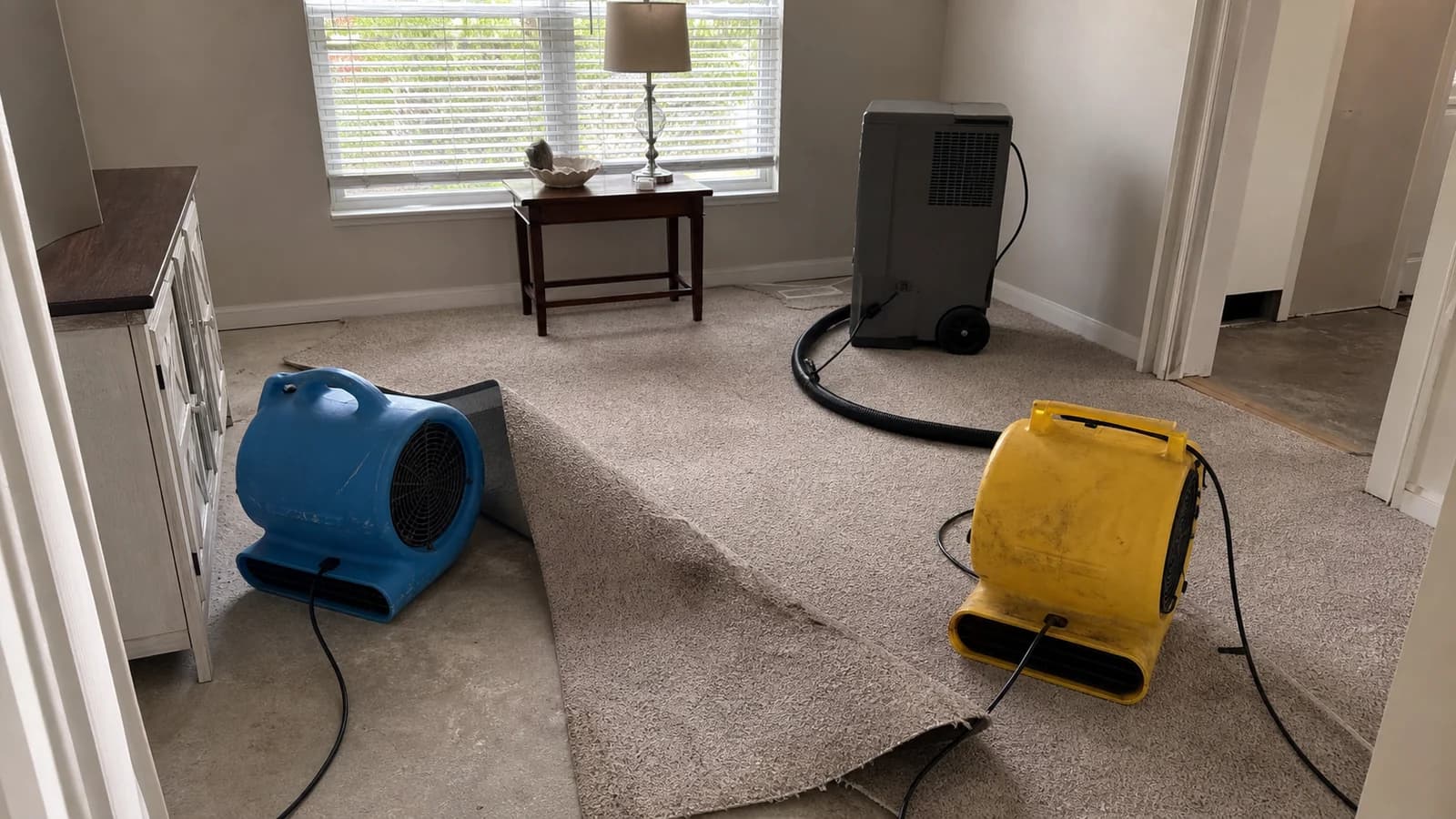
Mold Remediation
How to Prevent Mold After a Flood in Florida
Mold can start within 24 to 48 hours of a Florida flood. What you do in the first two days decides whether you get mold at all. Here is the playbook.
· 8 min read
Read articleMold Remediation
Is Black Mold Dangerous? What Florida Homeowners Should Know
Black mold gets talked about like a death sentence. The real risk is more grounded, and in Florida humidity it is common. Here is what the science says.
· 8 min read
Read article